How to Create a Home Safety Checklist for Your Home
Key Takeaways
-
A home safety checklist helps homeowners identify potential hazards, organize maintenance tasks, and create safer living spaces.
-
Regular checks of smoke alarms, electrical outlets, appliances, and escape routes can help households prepare for common emergencies.
-
Kitchens, bathrooms, stairways, balconies, and outdoor areas need particular attention because they contain different types of safety risks.
-
Routine plumbing checks can help identify leaks, water damage, blocked drains, and other problems before they become more serious.
-
Secure handrails, adequate lighting, clear walkways, and suitable storage can reduce everyday risks around the home.
-
Every household should maintain an emergency plan, keep essential supplies accessible, and ensure family members know what to do during an emergency.
-
A seasonal inspection schedule makes it easier to track repairs, replace outdated safety equipment, and maintain the home throughout the year.
Introduction
A safe home is more than a comfortable place to live. It is an environment where electrical systems function properly, walkways remain clear, appliances are used responsibly, and potential hazards receive attention before they cause injuries or property damage. Everyday activities such as cooking, bathing, climbing stairs, and using electrical equipment can present risks when household maintenance is overlooked. Creating a home safety checklist gives homeowners a practical way to review these areas systematically rather than relying on occasional visual checks. It also helps families organize repairs, prepare for unexpected situations, and establish regular maintenance habits. With a clear checklist and a consistent inspection routine, homeowners can make informed decisions about which tasks to handle themselves and when to seek professional assistance.
1. How Should You Check Your Home’s Electrical Safety?
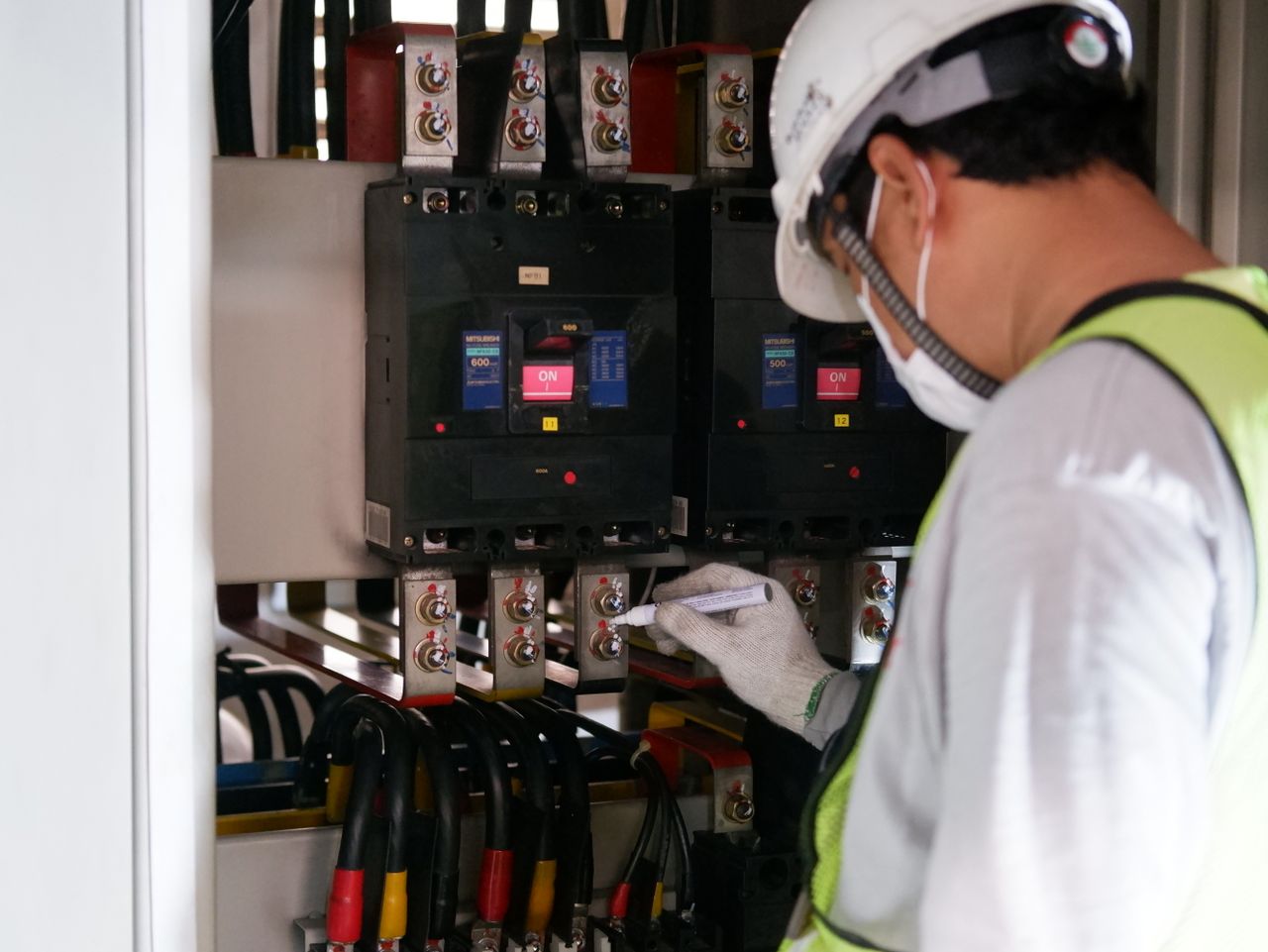
Electrical hazards can develop gradually as wiring ages, appliances deteriorate, and household electricity demands increase. A routine electrical safety review helps homeowners recognize visible warning signs and identify situations that require professional assessment. This part of your home safety checklist should cover outlets, switches, appliances, electrical panels, extension cords, and protective devices. Although homeowners can perform basic visual checks, electrical panels and wiring should not be opened or repaired without appropriate qualifications. The goal is to identify possible concerns, respond promptly, and arrange necessary repairs rather than attempt complicated electrical work independently.
Electrical safety checklist
-
Test smoke alarms: Follow the manufacturer’s instructions to test each alarm and replace batteries or units as recommended.
-
Inspect visible outlets and switches: Look for cracks, discoloration, loose fittings, or signs of overheating. Stop using an outlet that appears damaged.
-
Check power cords: Replace damaged cords and avoid running them beneath rugs or placing heavy furniture on them.
-
Avoid overloaded outlets: Follow device ratings and manufacturer guidance. Use extension cords only as intended rather than as permanent substitutes for suitable outlets.
-
Keep electrical equipment away from water: Exercise particular care in kitchens, bathrooms, laundry areas, and outdoor spaces.
-
Identify warning signs: Repeatedly tripping breakers, burning odors, buzzing sounds, flickering lights, and unusually warm outlets deserve prompt attention.
-
Keep the electrical panel accessible: Avoid storing boxes or household items directly in front of the panel.
Electrical protection devices also deserve attention. Smoke alarms provide warnings about smoke, while appropriately selected circuit breakers and residual-current or ground-fault protection devices help address particular electrical hazards. These devices serve different purposes and should not be treated as interchangeable.
When should you call an electrician?
Arrange a professional assessment if you notice repeated breaker trips, damaged wiring, unexplained power interruptions, persistent flickering, or signs of overheating. If you smell burning or see smoke coming from electrical equipment, keep away from the affected area, avoid touching the equipment, and contact emergency services when there is an immediate fire risk.
Electrical fire safety depends on more than replacing faulty equipment. It also involves safe appliance use, appropriate protective devices, suitable wiring, and timely attention to warning signs. Homeowners planning renovations or adding major appliances should ask a qualified professional whether the existing electrical system can safely support the additional demand.
2. What Should You Inspect in Your Kitchen?
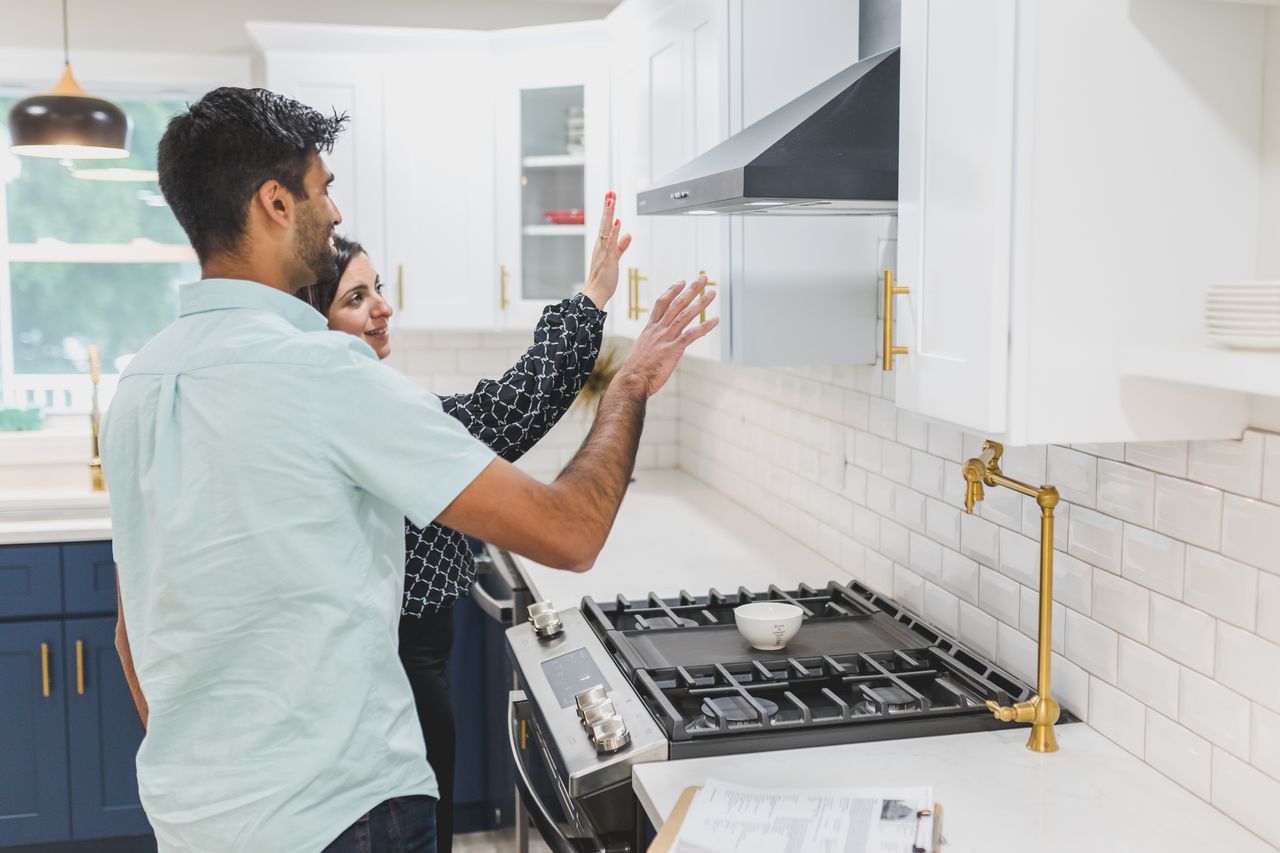
The kitchen combines heat, electricity, water, sharp tools, and frequently used appliances in one area. These overlapping hazards make it especially important to include the kitchen in a regular home safety checklist. A quick inspection can reveal clutter near cooking equipment, damaged appliance cords, slippery flooring, improperly stored cleaning products, or other conditions that increase risk. Homeowners should also consider how easily family members can move through the space during everyday activities. Establishing simple habits around cooking, cleaning, and storage helps reduce preventable incidents without requiring major renovations or expensive equipment.
Kitchen safety checklist
-
Keep the cooking area clear: Move paper towels, packaging, dishcloths, and other combustible materials away from burners and hot surfaces.
-
Never leave active cooking unattended: If you must leave the kitchen, turn off the cooking equipment first when it is safe to do so.
-
Check appliance cords and plugs: Look for visible damage and arrange repairs or replacement when needed.
-
Store knives safely: Use a knife block, suitable drawer organizer, or other secure storage method.
-
Clean spills promptly: Water, cooking oil, and food residue can make kitchen floors slippery.
-
Store chemicals separately: Keep cleaning products away from food, utensils, and children’s reach.
-
Secure heavy items: Store heavy cookware and frequently used objects where they can be accessed without awkward reaching.
-
Maintain ventilation: Clean extractor filters according to the manufacturer’s instructions and ensure cooking areas have appropriate ventilation.
How can you reduce cooking-related fire risks?
Grease fires require special care. Never pour water onto burning cooking oil or grease, because it can spread the fire violently. If a small pan fire occurs, turn off the heat only if you can do so safely, and cover the pan with a suitable lid or fire blanket if appropriate. Do not move the burning pan. If the fire cannot be controlled immediately and safely, leave the property, close doors behind you if possible, and call emergency services from a safe location.
Keep a suitable fire extinguisher accessible if your household has one, and learn how to use it before an emergency. Follow its instructions and local fire-safety guidance. A kitchen checklist should also identify clear exits and ensure that everyone knows how to leave the home quickly if smoke or fire develops.
3. How Can You Make Bathrooms and Laundry Areas Safer?
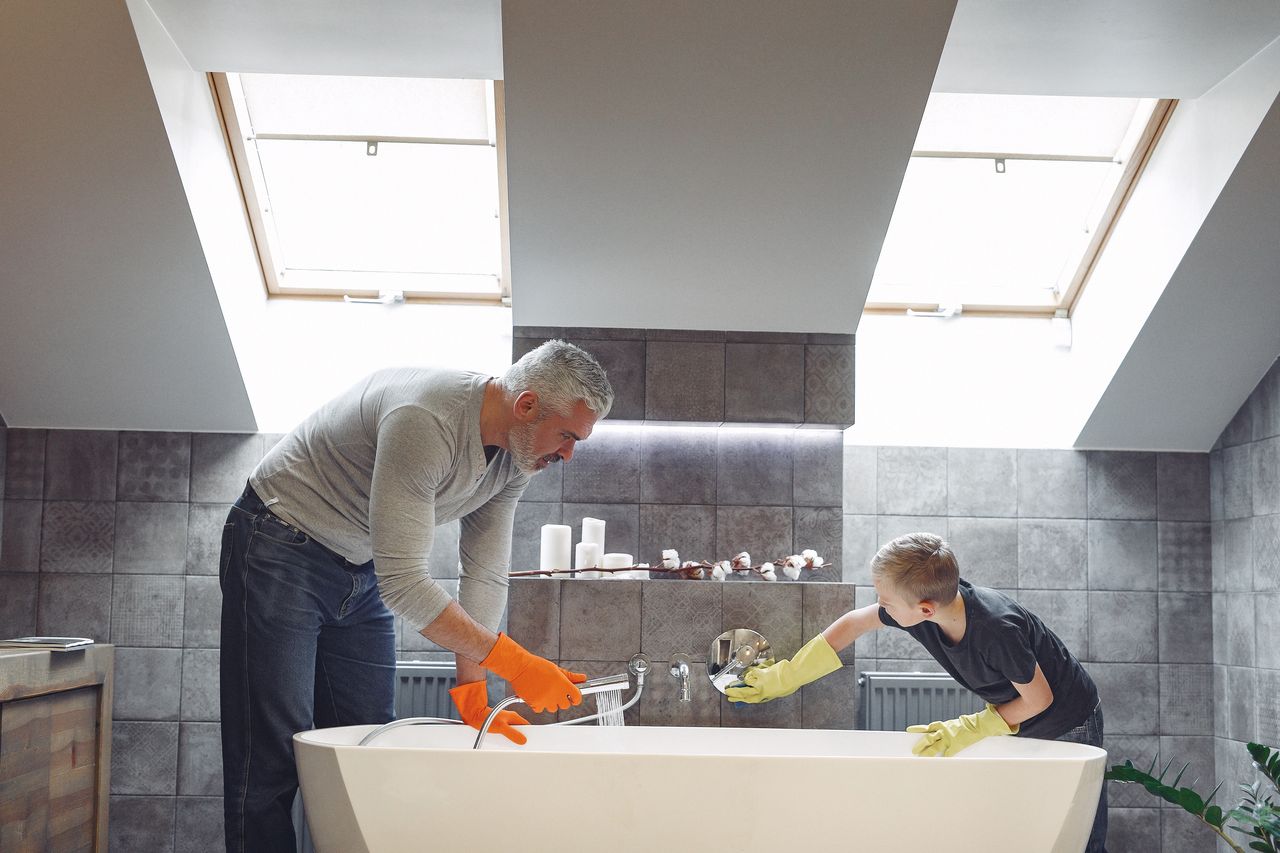
Bathrooms and laundry areas often contain wet floors, hard surfaces, electrical appliances, cleaning chemicals, and plumbing connections. These features can create slip hazards, electrical risks, and opportunities for water damage. Including these rooms in your home safety checklist helps you look beyond obvious problems and consider how the spaces are used every day. Small improvements, such as installing suitable grab bars, improving lighting, and storing detergents securely, can make daily routines safer. Regularly examining taps, hoses, drains, and visible connections can also help you notice maintenance concerns before they affect nearby rooms or flooring.
Bathroom safety checklist
-
Reduce slippery surfaces: Use secure, nonslip bath mats and remove standing water promptly.
-
Improve lighting: Ensure that the shower, bathtub, toilet, and entrance are adequately illuminated.
-
Install appropriate support: Consider securely fitted grab bars where household members may need assistance getting in or out of a bath or shower.
-
Check hot-water settings: Follow appliance guidance and use suitable precautions to reduce scalding risks, particularly for children and older adults.
-
Keep electrical items away from water: Follow product instructions and avoid using damaged electrical appliances near sinks or showers.
-
Secure medicines and chemicals: Store them in suitable containers and out of children’s reach.
-
Inspect ventilation: Use the bathroom exhaust fan or another suitable ventilation method to manage moisture and reduce condensation.
Laundry-area checks
Washing machines and dryers need enough space, proper connections, and regular maintenance. Inspect visible water hoses for cracks, bulges, leaks, or loose connections. Check that the washing machine sits securely and that water does not accumulate around it.
For dryers, remove lint from the lint filter after each load and clean the exhaust system as directed by the manufacturer. Lint buildup can restrict airflow and increase fire risk. Keep the area around heat-producing appliances free of stored fabrics, cleaning supplies, and unnecessary clutter.
Water and electricity require particular care in these spaces. Never handle plugs or electrical equipment with wet hands, and do not continue using appliances that show signs of damage. Ask a qualified professional to assess persistent leaks, unusual electrical behavior, or ventilation problems that cannot be resolved through routine maintenance.
4. What Plumbing Problems Should Your Checklist Include?
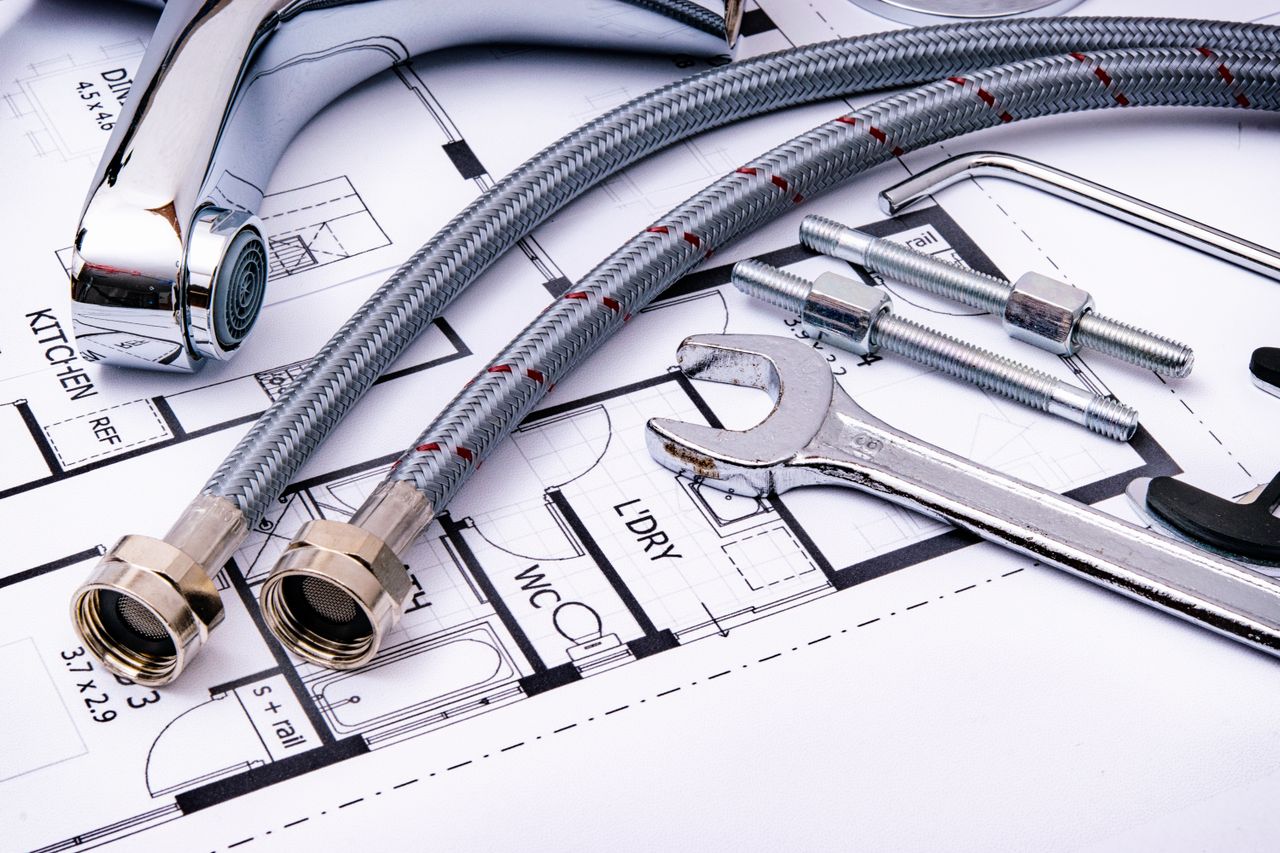
Plumbing issues can begin with subtle symptoms, such as a slowly dripping tap, a drain that empties unusually slowly, or a faint water stain beneath a sink. Left unattended, some problems can damage cabinetry, walls, flooring, and other building materials. A plumbing section in your home safety checklist should cover visible pipes, taps, toilets, water heaters, drains, and the areas beneath sinks. Homeowners do not need to dismantle plumbing fixtures to conduct useful checks. Instead, look for changes in appearance, unusual sounds, persistent odors, and signs of moisture, then arrange professional assistance when the cause is unclear or the problem is significant.
Plumbing safety checklist
-
Inspect visible pipes: Look beneath sinks and around exposed connections for drips, corrosion, dampness, or mineral deposits.
-
Check taps and showerheads: Address persistent dripping and examine fixtures for loose fittings or visible damage.
-
Monitor toilets: Look for leaks around the base, unusual refilling, or water that continues running after flushing.
-
Observe drainage: Note recurring blockages, slow drainage, gurgling, or unpleasant odors that may indicate an underlying issue.
-
Examine ceilings and walls: Investigate new water stains, peeling paint, bubbling surfaces, or unexplained damp patches.
-
Locate the main water shutoff: Make sure household members know where it is and how to operate it safely.
-
Review water-heater condition: Look for visible leaks, corrosion, or unusual changes and follow the manufacturer’s maintenance instructions.
-
Check outdoor taps and hoses: Inspect connections for leakage and ensure water does not collect against the house.
When does a plumbing issue require professional attention?
Recurring blockages, unexplained water pressure changes, leaks inside walls, sewage odors, and persistent dampness can indicate problems that require further investigation. A professional may perform a Plumbing inspection to evaluate the affected fixtures, examine accessible pipes, check pressure where appropriate, and determine whether specialized diagnostic equipment is needed.
Do not assume that clearing a visible blockage has resolved the underlying problem, particularly if it repeatedly returns. Similarly, avoid opening walls or dismantling pressurized plumbing components without the necessary knowledge and equipment.
If a pipe bursts or water begins spreading rapidly, shut off the water supply if you can safely reach the valve. Keep away from electrical equipment exposed to water and seek urgent professional help. Prompt action can limit additional damage while the source of the problem is assessed.
5. How Do You Check Stairs, Railings, and Walkways?
Falls can occur when stairways are poorly lit, handrails are loose, floor surfaces are uneven, or walkways become cluttered. These hazards can affect anyone in the household, especially young children, older adults, and people with limited mobility. Your checklist should include indoor stairs, outdoor steps, decks, porches, balconies, and the paths used to enter or leave the property. Rather than concentrating only on major structural defects, look for small problems that make movement less secure. Regular checks of lighting, flooring, railing stability, and access routes can help identify maintenance needs before someone is injured.
Stairway and railing checklist
-
Check handrails for movement: A railing should be securely attached and suitable for the location. Arrange repairs if it moves, feels loose, or has damaged supports.
-
Inspect stair treads: Look for cracked, uneven, slippery, or damaged steps that could cause someone to lose their footing.
-
Improve lighting: Ensure that stairs and landings are illuminated, with switches or controls conveniently located.
-
Keep stairs clear: Remove shoes, toys, boxes, cables, and other items from steps and landings.
-
Examine outdoor railings: Check for loose fasteners, damaged posts, deteriorating surfaces, and signs of corrosion or decay.
-
Maintain clear walkways: Keep entry paths, hallways, and doorways free from obstructions.
-
Review thresholds and floor transitions: Repair loose mats, raised edges, and uneven transitions that could cause tripping.
Which railing materials should homeowners consider?
Wood, metal, and vinyl railing systems each have different maintenance needs and performance characteristics. Wood may require periodic sealing or painting, while metal systems may need attention to corrosion, coatings, and fasteners. Vinyl can be an option for homeowners who prefer a railing material that generally needs less routine surface maintenance.
When comparing Vinyl handrail benefits, consider moisture resistance, available styles, installation requirements, product specifications, and suitability for the local climate. No material automatically guarantees safety. The railing must be properly installed, securely supported, and suitable for its intended use.
Check applicable building requirements for stairways, balconies, decks, and elevated platforms. These requirements may specify railing height, openings, structural strength, and other safety details. A qualified contractor can help assess an existing railing or select a suitable replacement when the structure is damaged or does not meet applicable requirements.
6. What Should You Check in Bedrooms and Living Areas?
Bedrooms and living areas may appear safer than kitchens or bathrooms, but they contain their own hazards. Electrical equipment, heaters, furniture, windows, cords, and decorative items can create risks when poorly positioned or maintained. A home safety checklist should consider how family members use these rooms during the day and at night. Pay particular attention to clear exits, safe electrical connections, stable furniture, and accessible lighting. If children, older adults, or people with mobility limitations live in the home, review the layout from their perspective and identify obstacles that could make movement or emergency evacuation difficult.
Bedroom and living-room checklist
-
Keep exits clear: Ensure doors and windows intended for emergency escape can be reached and opened as required.
-
Secure unstable furniture: Anchor tall bookcases, dressers, and similar furniture where appropriate, especially in rooms used by children.
-
Position heaters safely: Follow the manufacturer’s instructions for clearances around portable heaters and other heat-producing appliances.
-
Inspect electrical cords: Avoid damaged cords, unsafe connections, and cables stretched across walking paths.
-
Use night lighting: Consider night-lights or accessible switches near beds, hallways, and bathroom routes.
-
Keep small objects out of children’s reach: Store batteries, magnets, sharp objects, and small components securely.
-
Check windows and blinds: Maintain window locks and keep blind cords out of children’s reach.
-
Arrange furniture thoughtfully: Leave sufficient room to move around beds, sofas, tables, and doorways without squeezing past obstacles.
How can you improve nighttime safety?
Walk through the home after dark and observe whether entrances, stairways, corridors, and bathroom routes are easy to navigate. Shadows, poorly positioned furniture, and dark corners can make otherwise familiar spaces difficult to move through safely.
Place frequently used items within easy reach and avoid storing belongings on the floor beside beds or in narrow hallways. If someone in the household uses a mobility aid, ensure that doorways and turning spaces are suitable for that person’s needs.
Also check that smoke alarms are installed in appropriate locations according to local requirements and manufacturer guidance. Family members should know how to leave bedrooms and reach an agreed meeting point outside the property if an alarm sounds. Practicing an evacuation plan helps everyone understand what to do rather than having to make decisions under pressure.
7. How Can You Improve Outdoor and Entryway Safety?
Outdoor areas form an important part of home safety because they connect the house to driveways, gardens, garages, and public walkways. Weather, uneven surfaces, poor lighting, overgrown vegetation, and deteriorating structures can make these spaces hazardous. A useful checklist should include front and rear entrances, paths, decks, balconies, garden steps, and any outdoor equipment used regularly. Homeowners should also consider how rain, wind, heat, and seasonal changes affect surfaces and fittings. Routine outdoor inspections help identify maintenance needs while keeping access routes clear for residents, visitors, and emergency responders.
Outdoor safety checklist
-
Inspect paths and driveways: Look for loose paving, uneven concrete, cracks, and areas where water collects.
-
Maintain outdoor lighting: Ensure entrances, steps, and frequently used paths are illuminated.
-
Check decks and porches: Look for deteriorating boards, loose fasteners, unstable steps, and damaged supports.
-
Inspect exterior railings: Check for movement, corrosion, cracks, or other signs of deterioration.
-
Manage vegetation: Trim plants that obstruct walkways, cover lights, or restrict access to entrances.
-
Secure tools and equipment: Store ladders, gardening tools, chemicals, and fuel in appropriate locations.
-
Keep drainage routes clear: Remove leaves and debris from suitable outdoor drains and gutters where accessible and safe.
-
Secure outdoor furniture: Position furniture so that it does not obstruct entrances or become unstable in strong winds.
What about garages and storage areas?
Garages and storage spaces often contain tools, chemicals, fuel, ladders, batteries, and equipment that require careful handling. Store hazardous products in their original labeled containers and follow their safety instructions. Keep them away from children, pets, food, and sources of heat where appropriate.
Avoid allowing stored items to block exits, electrical panels, or access to essential equipment. Heavy objects should be placed on stable shelving, with frequently used items stored at manageable heights. If a garage contains fuel-burning equipment, follow the manufacturer’s ventilation and clearance requirements, and never operate a fuel-burning generator inside a home or enclosed garage.
Check garage doors, openers, and safety features according to the manufacturer’s instructions. Keep children away from moving mechanisms and do not attempt to adjust high-tension door components without suitable expertise.
8. How Should You Prepare for Household Emergencies?
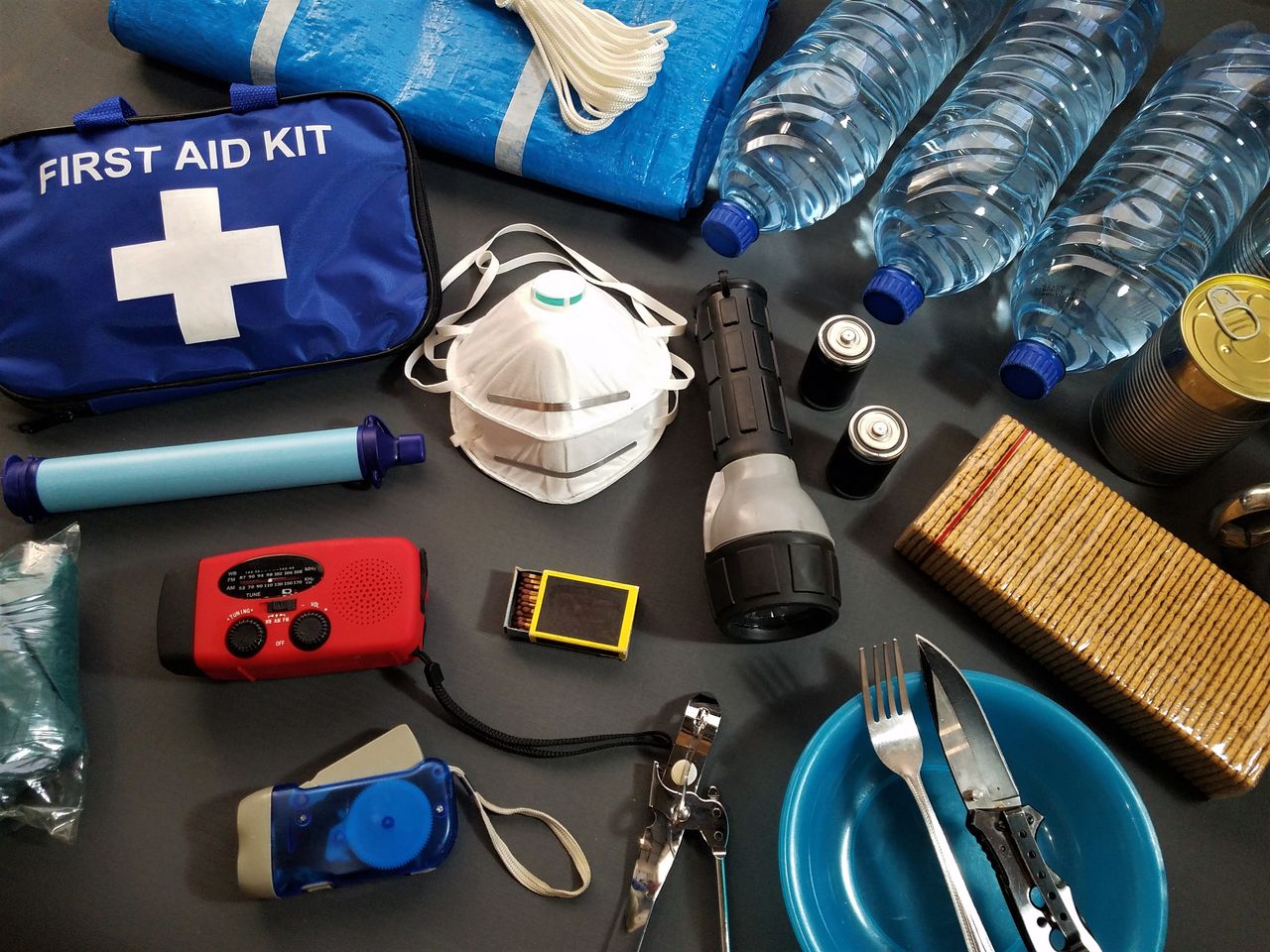
A home safety checklist should address not only everyday hazards but also situations that require a quick, organized response. Fires, severe storms, extended power outages, major leaks, and other emergencies can disrupt normal routines with little warning. Preparation helps household members understand where to go, whom to contact, and which actions are appropriate. The plan should reflect the property’s layout, the needs of everyone living there, and the types of emergencies most relevant to the location. Review emergency arrangements regularly, replace expired supplies, and make sure every household member understands the basic procedures.
Emergency preparedness checklist
-
Create an evacuation plan: Identify exit routes from bedrooms and common areas, and establish a safe outdoor meeting point.
-
Check smoke alarms: Test them according to manufacturer guidance and replace units at the end of their service life.
-
Keep emergency contacts accessible: Include local emergency services, healthcare contacts, and relevant utility providers.
-
Prepare essential supplies: Keep drinking water, a flashlight, batteries, basic first-aid supplies, and necessary medications accessible.
-
Know where utility shutoffs are located: Learn how to shut off water and electricity when appropriate, but never approach a dangerous electrical installation or enter a flooded area to reach a control.
-
Plan for household needs: Consider children, older adults, pets, and anyone who may require assistance evacuating.
-
Protect important documents: Keep essential records in a secure, accessible location, with suitable copies or backups.
-
Practice emergency procedures: Periodically review evacuation routes and make sure everyone knows how to contact help.
What should you do during a power outage?
Use flashlights or battery-powered lanterns instead of candles where possible. Unplug sensitive electronics when appropriate, and follow utility-provider guidance about electrical equipment. Keep refrigerators and freezers closed as much as possible to preserve food temperatures.
Never operate a portable generator indoors, in a garage, or near doors and windows where exhaust could enter the home. Generators produce carbon monoxide, which can be fatal. Follow the manufacturer’s outdoor placement instructions and have a qualified professional assess the installation of any permanent backup power system.
If a storm causes damaged power lines or exposes electrical equipment, stay well away and contact the relevant utility provider or emergency services. Do not assume a fallen line is safe because it appears inactive.
9. How Often Should You Update Your Home Safety Checklist?
A checklist is most useful when it becomes part of an ongoing routine rather than a document reviewed only after something goes wrong. Different household components require attention at different intervals, so it helps to combine brief monthly checks with more detailed seasonal reviews. Manufacturer instructions, local requirements, and the condition of the property should determine the actual maintenance frequency. New appliances, renovations, severe weather, and changes in household needs may also require additional checks. Recording completed tasks and outstanding repairs makes it easier to identify recurring issues and avoid overlooking important maintenance responsibilities.
Suggested home safety schedule
| Frequency | Recommended checks |
|---|---|
| Weekly | Clear walkways, clean spills, check for visible leaks, and keep cooking areas free from clutter. |
| Monthly | Test smoke alarms as directed, review accessible electrical equipment, and inspect frequently used doors and stairways. |
| Every few months | Review emergency supplies, check outdoor paths and railings, and examine accessible plumbing connections. |
| Seasonally | Inspect weather-exposed areas, gutters where safely accessible, exterior lighting, and heating or cooling equipment according to manufacturer guidance. |
| Annually or as required | Arrange appropriate professional inspections, review emergency plans, and check equipment service-life and maintenance requirements. |
This schedule is a starting point, not a substitute for equipment instructions or legally required inspections. Some alarms, appliances, plumbing systems, and electrical components require specific maintenance intervals that may be more frequent.
How can you track repairs effectively?
Create a simple record with the date of inspection, the area checked, any concerns identified, and the action required. Add a target date for repairs and record when the work is completed. Keep invoices, maintenance reports, warranties, and relevant product instructions with the household records.
Prioritize issues according to their potential consequences. An active leak near electrical equipment, a burning odor, a damaged stair railing, or a smoke alarm that does not function needs more urgent attention than a cosmetic defect. If you are unsure about the seriousness of a problem, seek appropriate professional advice rather than leaving it unresolved.
10. When Should You Hire a Professional?
Some checklist items can be addressed through ordinary cleaning, decluttering, and visual inspection. Others require specialized knowledge, suitable tools, or compliance with building and safety requirements. Recognizing this distinction helps homeowners avoid dangerous repairs and make better use of professional services. The aim is not to hire a contractor for every minor task, but to understand when a problem goes beyond routine household maintenance. Keep a record of warning signs, explain what you have observed, and ask the professional to clarify the recommended work, relevant safety considerations, and any follow-up maintenance required.
Situations that may require professional help
-
Electrical concerns: Damaged wiring, repeated breaker trips, burning smells, or unexplained electrical interruptions warrant appropriate assessment.
-
Persistent plumbing problems: Recurring blockages, hidden leaks, sewage odors, or unexplained dampness may need specialized diagnosis.
-
Structural concerns: Loose railings, unstable steps, damaged decks, and significant cracks may require a qualified contractor or other building professional.
-
Heating and ventilation problems: Unusual appliance behavior, suspected exhaust issues, or inadequate ventilation should be assessed by a suitable technician.
-
Fire-safety concerns: Damaged alarms, uncertain escape arrangements, and questions about fire protection may require advice from an appropriate safety professional.
When arranging work, verify relevant qualifications, insurance where applicable, references, and the scope of the proposed repair. Ask whether permits or inspections are required and obtain written details for significant projects.
How should you plan electrical and plumbing improvements?
When considering Residential electrical work, explain the symptoms you have noticed, the age of the equipment if known, and any recent changes to the property. This helps the professional understand the context before recommending an inspection or upgrade.
For plumbing work, describe when the problem started, whether it occurs repeatedly, and whether other fixtures are affected. If water damage is present, photographs may help document its progression. Avoid concealing an unresolved problem with cosmetic repairs, since the underlying cause may continue to damage the property.
After work is completed, retain service records and follow any maintenance instructions provided. A repair record can also help identify recurring faults and inform future renovation decisions.
Conclusion
Creating a home safety checklist gives homeowners a practical way to identify hazards, organize maintenance, and prepare for unexpected situations. Regular attention to electrical equipment, cooking areas, bathrooms, plumbing, stairs, railings, and outdoor spaces can help reveal problems before they become more serious. Emergency planning and a consistent inspection schedule also make it easier for household members to respond calmly when something goes wrong. No checklist can eliminate every risk, and some problems require professional assessment rather than a do-it-yourself repair. By documenting concerns, prioritizing urgent issues, and arranging suitable maintenance, homeowners can build safer routines and support the long-term comfort, functionality, and reliability of their homes.