How to Improve Electrical Fire Safety at Home
Key Takeaways
- Damaged wiring, overloaded circuits, and faulty electrical installations can increase the risk of electrical fires.
- Warning signs such as burning smells, warm outlets, discolored sockets, and frequently tripping breakers require prompt attention.
- Qualified electricians can inspect electrical panels, wiring, and circuits to identify potential hazards.
- Protective devices such as arc-fault and ground-fault circuit interrupters can help reduce specific electrical risks when properly installed.
- Regular inspections and timely repairs help identify electrical problems before they become more serious.
- Avoid complex DIY electrical repairs and ensure electrical work complies with applicable local safety requirements.
Electrical problems can create serious fire hazards in homes and commercial buildings when wiring, circuits, or electrical components are damaged, overloaded, or improperly installed. Warning signs such as frequently tripping breakers, discolored outlets, burning smells, and unusually warm electrical panels should never be ignored. Understanding these risks helps property owners take appropriate precautions before minor issues develop into dangerous situations. Electrical fire safety involves recognizing potential hazards, maintaining electrical systems, using appliances responsibly, and arranging qualified inspections when necessary. Knowing when to seek professional assistance is equally important, as electrical repairs and modifications may require specialized expertise and compliance with applicable safety requirements.
Why Hiring a Certified Electrical Contractor Is Essential
Strict Adherence to National and Local Safety Codes
Certified local electrical contractors operate in strict compliance with standardized safety regulations, including the National Electrical Code (NEC) and municipal building ordinances. These comprehensive rules govern correct wire gauges, circuit breaker sizing, grounding techniques, and conduit placement.
Proper code application ensures that electrical currents flow safely without causing dangerous overheating, voltage spikes, or electrical arcing—the primary triggers of structural electrical fires.
Comprehensive Field Training and Diagnostic Expertise
-
Accurately diagnosing hidden thermal hazards, loose connections, and degraded wiring concealed behind finished walls and inside main service panels.
-
Performing complex electrical load calculations to ensure new appliances, HVAC units, or EV chargers do not overload existing panel capacities.
-
Safely executing complete panel upgrades, whole-house rewiring, and subpanel installations using specialized diagnostic equipment.
Essential Insurance Coverage and Legal Protection
Key Credentials of a Qualified Electrical Contractor
-
Active State & Municipal Licensing: Proof that the electrician has passed rigorous state examinations testing electrical theory, safety protocols, and code compliance.
-
Master or Journeyman Status: Verification of extensive, documented field experience and advanced technical mastery in residential and commercial wiring.
-
Proof of Insurance & Bonding: Current certificates of liability insurance and bonding to protect against accidental property damage or jobsite injuries.
-
Mandatory Continuing Education: Proof of ongoing training to stay current with modern safety codes, energy efficiency standards, and evolving technologies.
How Certified Contractors Actively Mitigate Electrical Fire Hazards
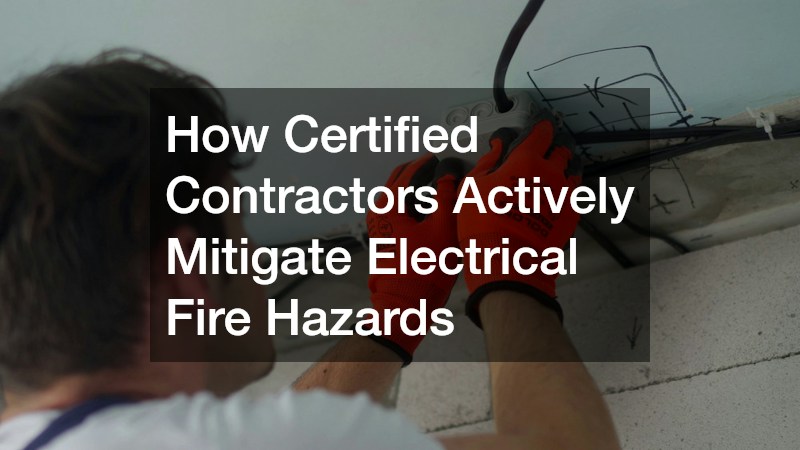
Specialized Safety Component Installation
-
Arc-Fault Circuit Interrupters (AFCI): Certified electricians install specialized AFCI breakers designed to detect unintended electrical arcs—invisible, high-heat disruptions in wiring—and shut off power instantly before surrounding insulation can catch fire.
-
Ground-Fault Circuit Interrupters (GFCI): Installing GFCI protection in high-moisture zones (kitchens, bathrooms, basements, and outdoor areas) prevents short circuits and dangerous shock hazards.
-
Aluminum Wiring Remediation: Homes built in the 1960s and 1970s often contain aluminum wiring, which expands and contracts under electrical loads, loosening connection points over time. Certified electricians remediate these fire hazards using approved crimps or copper pigtailing techniques.
Thermal Imaging and Preventive Diagnostics
What to Expect During Your Initial Consultation
-
Comprehensive Property Assessment: The contractor conducts a thorough visual and instrument-based inspection of your service panel, grounding electrodes, branch circuits, outlets, and connected fixtures to identify existing code violations or thermal risks.
-
Itemized Project Scope and Proposal: You receive a detailed, transparent written estimate outlining recommended safety repairs, material specifications, labor costs, permit fees, and expected completion timelines.
-
Safety Protocol Review: The electrician explains the safety steps required during the project, including planned power interruptions, jobsite containment, emergency shut-off procedures, and municipal inspection milestones.
Conclusion
Preventing electrical fires begins with recognizing potential hazards and ensuring that electrical systems receive appropriate attention and maintenance. Damaged wiring, overloaded circuits, deteriorating components, and unsuitable installations can increase the risk of overheating and ignition. Property owners can reduce avoidable risks by using electrical equipment correctly, keeping outlets and panels accessible, and responding promptly to warning signs such as burning odors, unusual heat, or repeated breaker trips. Qualified electricians can assess electrical systems, identify hidden problems, and recommend suitable repairs or protective devices. Avoid attempting complex electrical work without the required expertise. Regular inspections, timely repairs, and adherence to applicable safety requirements help maintain a safer electrical environment for occupants and protect the property over time.