Residential Electrical Work: What Contractors Do at Home
Key Takeaways
- Electrical contractors install, maintain, and repair wiring, lighting, panels, and other home electrical components.
- Electrical inspections can help identify potential hazards and problems that require attention.
- Backup power systems and smart home technology can improve convenience and help manage household electricity use.
- Energy-efficient lighting and electrical upgrades may help reduce unnecessary energy consumption.
- Electrical work should follow applicable codes and safety requirements.
- Qualified professionals can help homeowners plan electrical upgrades and resolve complex electrical problems.
Residential electrical work plays an important role in keeping a home functional, comfortable, and safe. From installing wiring and lighting to repairing electrical faults and upgrading electrical panels, contractors help homeowners manage a wide range of electrical needs. Their work may also include backup power systems, smart home technology, energy-efficient lighting, and renewable energy installations. Understanding the types of work electrical contractors perform can help homeowners plan renovations, address electrical problems, and determine when professional assistance is necessary. This article explores common residential electrical work, safety practices, modern technologies, and ways electrical improvements can support a home’s efficiency and reliability.
What Electrical Work Can Contractors Do at Home?
Electrical contractors also help homeowners plan electrical installations during new construction, renovations, and home improvement projects. They can coordinate the placement of outlets, switches, lighting fixtures, and dedicated circuits according to the household’s needs. For example, a kitchen renovation may require additional outlets or electrical connections for new appliances, while a room addition may need new wiring and lighting. Coordinating electrical work with other renovation activities helps ensure that the installation suits the home’s layout and intended use. Contractors can also identify potential electrical limitations and recommend appropriate upgrades before the project progresses.
Besides basic installation and repair work, electrical contractors provide additional services such as setting up and maintaining backup power systems. These systems, often utilizing generators or battery storage, ensure uninterrupted power supply during outages. Electrical contractors also specialize in installing smart home systems, which are increasingly popular in modern homes. They integrate technology to allow homeowners to control lighting, heating, and other systems remotely. This blend of technology ensures that homes are more energy-efficient and offer greater convenience for the occupants.
How Do Contractors Keep Home Electrical Systems Safe?
Safety compliance is a top priority for electrical contractors, as it prevents accidents and ensures the longevity of the electrical systems. They adhere to strict national and local electrical codes when designing and installing electrical systems. These codes are established to protect both the contractors working on the project and the end-users. Regular safety inspections and audits are conducted to ensure that all installations meet these standards and any potential hazards are identified and mitigated. This vigilance helps in maintaining a safe environment for all building occupants.
To enhance safety, contractors also invest in continuous education and training. This ensures that they are updated on the latest safety practices and technological advancements. By staying informed, they can implement the most advanced safety measures in new installations and existing systems. Safety training sessions include simulations and real-life scenarios to prepare contractors for a variety of potential risks and incidents. Furthermore, they use appropriate safety gear and equipment to protect themselves during installations and repairs.
Another key aspect of ensuring safety compliance involves the use of high-quality materials and equipment. Electrical contractors select certified products known for their durability and safety standards. This minimizes the chances of electrical failures or hazards. Furthermore, they collaborate with safety inspectors to regularly check and verify the condition of both new and existing electrical systems. This collaborative effort not only meets the regulatory requirements but also fosters a culture of safety within the industry.
What Modern Electrical Upgrades Can Homeowners Consider?
Modern electrical upgrades can make a home more convenient, functional, and energy-efficient. Homeowners can consider installing smart switches, automated lighting, and compatible smart thermostats to manage household systems more easily. Upgrading an outdated electrical panel or adding dedicated circuits may also be necessary when renovating a kitchen, adding new appliances, or expanding a living space. A qualified electrician can assess the existing electrical system and recommend suitable improvements based on the home’s requirements.
Renewable energy is another option for homeowners looking to improve their property’s energy efficiency. Rooftop solar panels can generate electricity for household use, potentially reducing reliance on grid power. Before installation, factors such as roof suitability, electricity consumption, system capacity, and installation costs should be evaluated. An electrical contractor can help determine whether the home’s existing electrical infrastructure can accommodate the proposed system and coordinate any necessary upgrades.
Smart home technology can also improve the way homeowners manage their electrical systems. Smart plugs, connected lighting, motion sensors, and programmable controls can help automate everyday tasks and manage electricity use. Depending on the devices selected, homeowners may be able to control lighting and compatible appliances remotely or schedule their operation. When choosing these upgrades, it is important to check device compatibility and ensure that installations meet applicable electrical safety requirements. With careful planning, these improvements can support a more comfortable, practical, and energy-conscious home.
How Can Electrical Upgrades Improve Home Energy Efficiency?
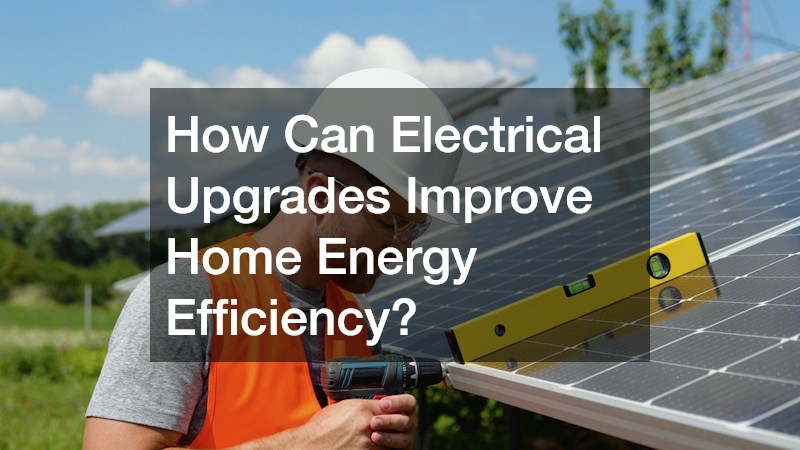
Energy efficiency is a critical focus for electrical contractors, reflecting the growing emphasis on sustainability and cost savings. Contractors are adept at assessing a building’s energy consumption and identifying areas for improvement. This often involves upgrading lighting systems to LED solutions, which consume significantly less power than traditional lighting. They also recommend and install energy-saving devices and systems, such as programmable thermostats and energy-efficient appliances. Such upgrades can lead to substantial reductions in energy use and utility bills.
Homeowners can improve household energy efficiency by identifying where electricity is being used unnecessarily and considering suitable electrical upgrades. An electrician can assess lighting arrangements, electrical equipment, and existing circuits to identify opportunities for improvement. Replacing outdated lighting with LED fixtures, installing compatible controls, and choosing energy-efficient equipment can help reduce electricity consumption. Smart switches and timers may also help homeowners manage lighting and other compatible devices more effectively. The benefits depend on the equipment installed and household usage patterns, so selecting suitable upgrades for the home’s needs is important.
Electrical contractors can also help homeowners explore renewable energy options, particularly rooftop solar panels. Before installation, they can assess the home’s electrical requirements and determine how the solar system can integrate with the existing electrical infrastructure. Homeowners should consider roof suitability, household electricity consumption, installation costs, and applicable incentives when evaluating solar power. A properly planned installation can help households use renewable electricity and potentially reduce reliance on grid power, depending on system capacity and energy usage.
When Should Homeowners Hire an Electrical Contractor?
Homeowners may need an electrical contractor when planning renovations, adding new appliances, upgrading electrical panels, or addressing recurring electrical problems. Warning signs such as frequently tripping breakers, flickering lights, burning odors, warm outlets, or damaged wiring should be taken seriously. A qualified professional can inspect the electrical system, identify possible causes, and recommend appropriate repairs or upgrades.
Professional assistance is also useful when installing new lighting, adding circuits, setting up backup power, or integrating smart home devices. Electrical work should be completed by appropriately qualified professionals in accordance with applicable codes and safety requirements. Rather than attempting complex repairs independently, homeowners should seek expert help when a task involves wiring, electrical panels, or other potentially hazardous components.
Conclusion
Electrical contractors help homeowners maintain, repair, and improve the electrical systems that support everyday life. Their work ranges from wiring and lighting installations to electrical inspections, backup power solutions, smart home upgrades, and energy-efficiency improvements. Understanding these responsibilities makes it easier to identify household electrical needs and plan renovations effectively. Homeowners should seek appropriately qualified professionals for complex electrical work and ensure that installations and repairs meet applicable safety requirements. Regular attention to electrical problems and timely upgrades can help maintain a home’s safety, functionality, and long-term reliability.