How to Create a More Inviting and Manageable Backyard
A backyard should feel like an extension of the home rather than an area that demands constant attention. With a thoughtful plan, homeowners can create an outdoor space that feels welcoming, functions well for everyday life, and remains easier to care for throughout the year. The most effective improvements usually balance comfort, appearance, safety, and maintenance instead of focusing on one feature alone.
That balance can involve everything from improving planting areas and refreshing hardscaping to addressing overgrown trees, pests, and unwanted animals. Some projects are simple weekend upgrades, while others benefit from specialized equipment or professional guidance. By considering how each part of the yard works together, homeowners can make choices that improve both daily enjoyment and long-term upkeep.
Start With a Practical Backyard Plan
Before adding new features, take time to evaluate how the backyard is currently used and where problems tend to develop. Look for areas that collect water, receive too much or too little sunlight, become muddy after storms, or require frequent trimming and cleanup. It also helps to note how people naturally move between the house, lawn, patio, garden, and other outdoor areas. These patterns can reveal where paths, seating, shade, or storage would make the space more convenient.
A clear plan can prevent individual projects from competing with one another. For example, adding a large planting bed may look attractive, but it could create more work if it blocks a walkway or requires intensive watering. Likewise, installing a patio without considering drainage could lead to pooling water near the foundation. Good landscaping designs account for existing conditions, household routines, and future goals before materials are purchased or work begins.
Homeowners who are planning several changes at once may benefit from speaking with a local landscape contractor. A professional can help identify practical priorities, suggest materials that suit the property, and coordinate improvements so one project does not interfere with another. Even when homeowners complete some tasks themselves, having a broader plan can make the finished yard feel more cohesive.
Start by listing the features that already work well, along with the areas that create frustration. This simple inventory can help separate cosmetic wants from functional needs, making it easier to spend money where improvements will have the greatest everyday impact.

Make Outdoor Living Areas Comfortable and Useful
A backyard becomes more inviting when there is a comfortable place to sit, eat, talk, or relax. An outdoor living area does not need to be elaborate, but it should feel intentional. A defined patio, a few durable furnishings, and adequate lighting can transform an underused section of the yard into a space that supports everyday activities.
For homeowners updating an existing patio or building a new one, patio stone pavers can provide a flexible way to create a finished surface. Pavers are available in many shapes, textures, and layouts, making it possible to complement different home styles. They can be used for patios, walkways, seating zones, and transitions between landscaped areas. Proper preparation beneath the surface is important because a stable base helps reduce shifting and unevenness over time.
A backyard fireplace can also create a stronger focal point while extending the usefulness of an outdoor space into cooler evenings. Placement should be considered carefully so smoke, heat, nearby vegetation, and surrounding structures are taken into account. Seating arranged around the fireplace can create a natural gathering area, while nearby surfaces can provide room for food, drinks, or outdoor accessories. When these elements are planned together, the yard can feel more like a comfortable outdoor room than a collection of unrelated features.
Comfort also depends on small details. Shade, side tables, weather-resistant cushions, accessible pathways, and layered lighting can make an outdoor area easier to use at different times of day without requiring a major construction project or complicated upkeep.
Refresh Planting Beds for Easier Maintenance
Planting beds often have a major influence on how polished a backyard looks. Over time, however, beds can become crowded, lose their original shape, or contain plants that no longer suit the available sunlight and space. Redesigning these areas can improve appearance while also reducing routine maintenance.
A flower bed redesign service can help reorganize older beds around plants that fit the site’s conditions and the homeowner’s preferred level of upkeep. Removing struggling plants, adjusting bed lines, improving spacing, and choosing varieties with compatible water and sunlight needs can make garden areas easier to manage. Repetition can also help create a more orderly look because using groups of the same plants often feels more intentional than filling every open area with something different.
Mulch is another practical part of bed maintenance. Professional mulching services can help homeowners apply an appropriate layer around trees, shrubs, and flowers while keeping mulch away from trunks and plant crowns. Mulch can help moderate soil temperature, retain moisture, and limit some weed growth. It also gives beds a cleaner finished appearance. Regular edging and occasional thinning of aggressive plants can further reduce the amount of work needed to keep planting areas neat.
When selecting plants, consider mature size rather than how small they appear at the nursery. Proper spacing reduces crowding, improves airflow, and limits the need for frequent cutting back as shrubs and perennials become established over the following seasons.
Keep Trees Healthy and Under Control
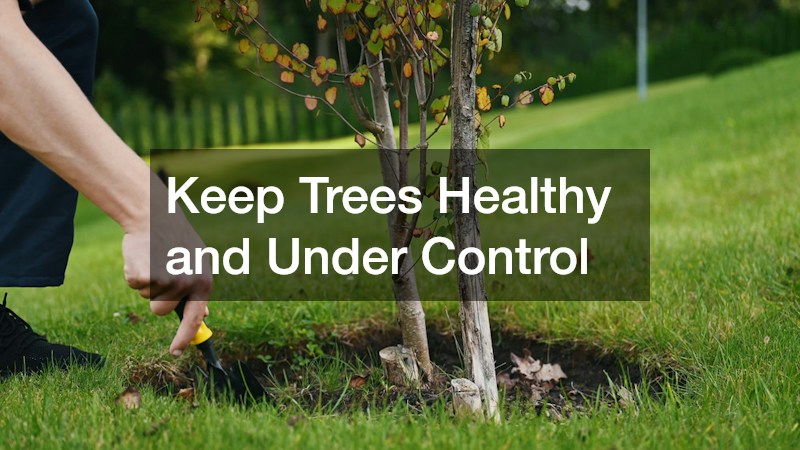
Mature trees can provide shade, privacy, and visual character, but they also require periodic attention. Branches may grow toward roofs, fences, driveways, or utility areas, while damaged limbs can create avoidable hazards. Trees that are crowded or structurally unbalanced may also need professional evaluation.
Tree trimming services can be useful when branches are too large, high, or difficult to reach safely. Selective trimming may improve clearance, remove damaged growth, and support a more balanced canopy. Timing and technique matter because excessive cutting can stress a tree or encourage weak new growth. Homeowners should also watch for warning signs such as hanging branches, cracks, decay, sudden leaning, or significant canopy loss.
In some cases, tree removal may be the safer or more practical option. A dead, severely damaged, or poorly located tree can interfere with structures, block planned improvements, or become increasingly difficult to manage. Because removal can involve heavy limbs, equipment, and nearby property features, this is often a job for trained professionals. After a tree is removed, the remaining space can be incorporated into new planting areas, lawn, seating, or other backyard improvements.
Tree care can also influence other parts of the landscape. Too much shade may weaken turf or sun-loving flowers, while exposed roots can complicate mowing and pathways. Evaluating these relationships helps homeowners make more coordinated decisions about the entire yard.
Reduce Pest Problems Before They Spread
An inviting backyard can quickly become less enjoyable when insects or other pests become persistent. Some pests damage plants, while others create discomfort around patios, play areas, doors, and outdoor dining spaces. Good pest prevention begins with reducing the conditions that make the property attractive to unwanted insects and animals.
Routine pest control may include identifying entry points, removing standing water, keeping vegetation from pressing against the house, and maintaining cleaner storage areas. Gutters, planters, buckets, toys, and low spots in the yard can hold moisture after rain, creating conditions that support mosquitoes and other insects. Overgrown vegetation can also provide shelter for pests and make it harder to notice developing problems.
Homeowners should avoid treating every insect as a threat because many insects play useful roles in outdoor ecosystems. Instead, focus on persistent activity, property damage, nesting near high-traffic areas, or signs that pests are entering the home. When a problem is difficult to identify or control, a professional can determine what is present and recommend a more targeted approach. Addressing the source of the issue is usually more effective than repeatedly treating visible symptoms.
Keeping firewood, compost, and dense piles of yard debris away from the house can also reduce shelter for certain pests. Regular inspections around foundations, windows, and doors make it easier to spot activity before a minor issue becomes harder to manage.
Address Wildlife Without Making the Yard Unwelcoming
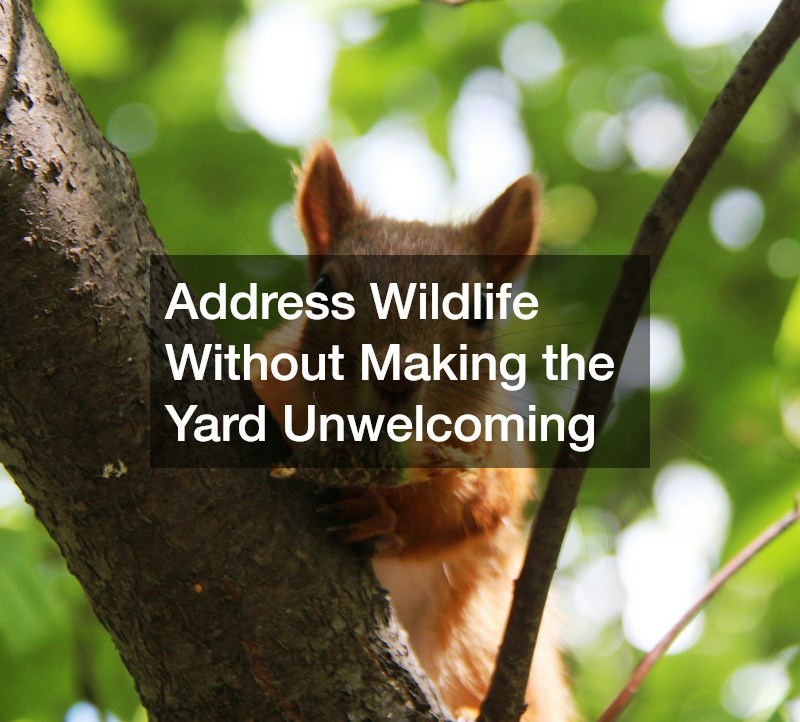
Birds, squirrels, rabbits, and other animals are common around residential properties, but wildlife can become a problem when animals nest in structures, damage gardens, or repeatedly search for food near the house. The goal is not necessarily to eliminate all wildlife from the yard. Instead, homeowners can make high-risk areas less attractive while preserving a pleasant outdoor environment.
Wildlife removal may be needed when an animal has entered an attic, shed, crawl space, chimney, or another part of the property where it can cause damage. Professional assistance can be especially important when the species is unknown, young animals may be present, or local rules affect how an animal can be handled. After the immediate problem is resolved, sealing access points can help prevent a repeat occurrence.
Simple property changes can also reduce conflicts. Secure trash containers, avoid leaving pet food outdoors, harvest ripe produce, and clean up fallen fruit or seed. Trim branches that provide easy access to roofs, and inspect sheds or outbuildings for openings. These habits make the property less appealing as a food or shelter source without requiring homeowners to strip the yard of every natural feature.
If wildlife repeatedly targets a vegetable garden, physical barriers may be more practical than ongoing deterrents. Fencing, netting, and protected containers can reduce access while allowing homeowners to continue growing produce and ornamental plants in areas that receive adequate sunlight.
Simplify Routine Yard Care
A manageable backyard is designed around realistic maintenance expectations. Homeowners who enjoy gardening may be comfortable caring for extensive beds, while others may prefer a simpler landscape with fewer plants and more durable surfaces. Neither approach is inherently better. The right choice is the one that fits the amount of time, energy, and attention the household can consistently provide.
Reducing unnecessary lawn areas can be one way to lower maintenance. Paths, mulched beds, groundcovers, patios, and defined seating areas can replace sections of turf that are difficult to mow or keep healthy. Grouping plants with similar watering needs can also simplify irrigation. Choosing plants that mature at an appropriate size helps prevent constant pruning caused by shrubs or trees outgrowing their locations.
Storage should be part of the plan as well. Hoses, tools, cushions, toys, and outdoor equipment are easier to manage when they have dedicated places. A weather-resistant storage box, organized shed, or discreet rack can keep frequently used items accessible without leaving the yard cluttered. Small maintenance habits, such as putting tools away after use and removing debris before it accumulates, can make larger seasonal cleanups much easier.

Bring the Entire Backyard Together
The most successful backyard improvements work as a connected system. Hardscaping should support natural movement, planting beds should complement outdoor living areas, and trees should provide benefits without interfering with structures or creating excessive cleanup. Pest and wildlife prevention should also fit into the overall maintenance routine rather than being treated as separate concerns only after problems appear.
Homeowners do not need to complete every improvement at once. Dividing a larger plan into stages can make the process easier to budget and manage. One season might focus on tree care and drainage, while another introduces new beds, patio improvements, or a gathering area. Prioritizing projects that solve existing problems first can create a stronger foundation for decorative upgrades later.
A more inviting backyard is ultimately one that people want to use and can realistically maintain. Thoughtful landscaping designs, practical outdoor features, healthy planting areas, and consistent property care can all contribute to that goal. By planning around the way the space is actually used, homeowners can create an outdoor environment that feels comfortable, organized, and enjoyable without turning every weekend into a long list of yard chores.
Before considering the backyard finished, walk through it at different times of day. A space that works well in morning light may feel exposed in the afternoon or too dark at night, revealing opportunities for shade, lighting, or seating adjustments.
This phased approach can also make future maintenance easier to anticipate and budget.