How Emergency Plumbers Inspect Your Home’s System for the Quickest Fix
Plumbing emergencies can quickly disrupt daily routines and cause significant property damage when they are not addressed promptly. A burst pipe, overflowing fixture, blocked drain, or sudden loss of water pressure can have several possible causes. Rather than immediately replacing visible components, a professional plumber begins with a systematic inspection to identify where the problem started and determine the most efficient solution.
Starting With a Thorough Plumbing Assessment
When emergency plumbers arrive at a home, they typically begin by gathering information about the symptoms. Homeowners may describe unusual noises, water pooling in a particular area, recurring clogs, discolored water, or changes in water pressure.
These details can help the plumber narrow down potential causes before examining the system directly. Understanding when the issue began and whether it has happened previously can also reveal important patterns.
The initial assessment often involves checking fixtures, exposed pipes, shutoff valves, drains, and other accessible components. Plumbers look for obvious signs of trouble, such as leaks, corrosion, damaged connections, or standing water. They may also determine whether the problem is isolated to one fixture or affecting multiple areas of the home. This distinction can indicate whether the issue involves a localized component or a larger section of the plumbing system.
Water pressure is another important part of the inspection. Abnormally high pressure can place excessive strain on pipes, fixtures, and connections, while unusually low pressure may indicate a blockage, leak, or supply problem. By evaluating pressure alongside other symptoms, a plumber can develop a more accurate understanding of what is happening inside the system.
Using Diagnostic Techniques to Locate Hidden Problems
Not every plumbing problem is visible from the surface. A leak may occur behind a wall, beneath flooring, or inside a difficult-to-access section of piping. When the source is not immediately apparent, emergency plumbers may use specialized diagnostic equipment to investigate without unnecessary demolition. This approach can help pinpoint the affected area before repairs begin.
Drain blockages are another situation where diagnostic tools can be particularly useful. A plumber may use a drain camera to inspect the interior of a pipe and identify accumulated debris, tree root intrusion, damaged sections, or other obstructions. This provides a clearer view of the pipe’s condition than simply attempting to clear the blockage without determining its cause.
For concealed leaks, plumbers may use equipment designed to detect moisture or identify unusual changes within the plumbing system. These methods can help narrow the search and reduce the need to open multiple walls or floors. Once the likely source has been identified, the plumber can determine what portion of the system needs attention.
Developing the Fastest Appropriate Repair
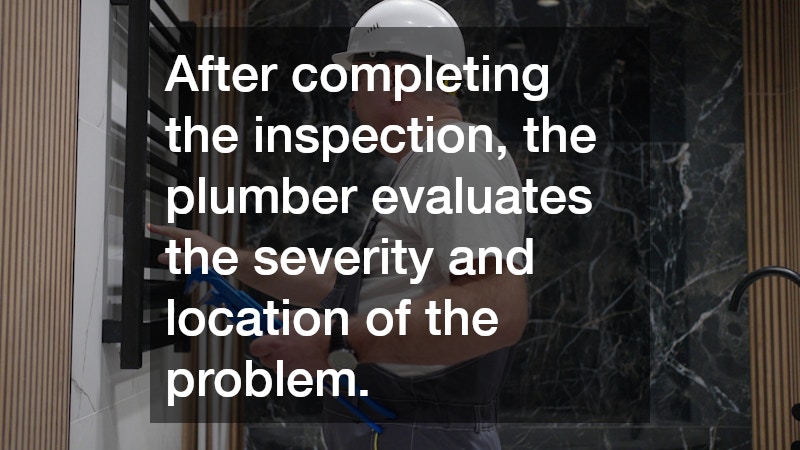
After completing the inspection, the plumber evaluates the severity and location of the problem. The goal is not simply to restore service temporarily but to address the underlying cause whenever practical. A small damaged connection may require a straightforward repair, while a severely compromised pipe or failing component may require replacement. The condition of surrounding plumbing can also influence the recommended approach.
In some emergencies, stopping active water flow is the first priority. A plumber may shut off a fixture, isolate a section of the system, or use the home’s main water shutoff to prevent additional damage. Taking this step can create a safer working environment while limiting the amount of water entering the affected area.
The repair strategy also depends on accessibility and the potential consequences of delaying work. Professionals consider factors such as pipe condition, water pressure, the extent of the damage, and whether the problem could return after a temporary fix. This evaluation allows them to balance speed with the need for an effective repair.
Quick service does not necessarily mean skipping diagnostic steps. In fact, emergency plumbers can often resolve problems more efficiently by following a structured inspection process. Identifying the source early helps prevent wasted time repairing the wrong component and can reduce unnecessary disruption to the home.
A plumbing emergency requires more than reacting to the most obvious symptom. A careful inspection helps identify the source of the problem, determine its scope, and establish the appropriate repair strategy. By combining visual assessments with diagnostic techniques when necessary, professionals can address urgent plumbing issues while limiting additional damage.
Knowing how this process works can also help homeowners respond more effectively when a plumbing emergency occurs. Prompt attention, accurate diagnosis, and appropriate repairs can restore the system while helping prevent a minor problem from developing into a much larger one.