Zero Rot, Zero Hassle Why Vinyl Handrailing Beats Wood and Metal Over Time
When selecting the ideal material for handrailing, property owners face a choice between wood, metal, and vinyl. While wood offers classic charm and metal provides industrial strength, vinyl handrailing stands out as the superior option for those who prioritize long-term durability, visual appeal, and minimal maintenance. Engineered from advanced synthetic polymers, vinyl eliminates the traditional headache of routine upkeep, proving to be the most practical and cost-effective handrailing solution over time.
Selecting a reliable railing material directly impacts long-term safety, property values, and ongoing maintenance budgets.
What Makes Vinyl Handrailing Durable?
Vinyl handrailing is built to withstand relentless environmental stressors that degrade traditional materials:
-
Resistance to Environmental Stressors: Unlike natural timber, vinyl is non-porous and completely impervious to water penetration. It will not absorb moisture, swell, warp, or foster mold growth.
-
Anti-Corrosive Nature: While metal handrails rust or tarnish in humid environments, vinyl is inherently anti-corrosive. It remains unaffected by saltwater spray or rain, making it an exceptional choice for coastal or industrial regions.
-
Structural Longevity and Pest Resistance: Synthetic vinyl is engineered to retain both flexibility and strength under heavy daily use. Crucially, it is entirely immune to pest infestations like termites or carpenter ants, which can destroy wooden structures within a few seasons.
How Does Vinyl Compare to Wood?
-
Drastically Lower Maintenance Requirements: Wood handrails demand ongoing labor—including power washing, sanding, staining, and painting—to prevent decay. Vinyl handrailing requires nothing more than an occasional rinse with soap and water to maintain a brand-new appearance.
-
Superior Long-Term Cost-Effectiveness: While high-quality vinyl may carry a slightly higher initial purchase price than basic lumber, it quickly pays for itself. By eliminating continuous material costs for paint, sealants, and localized board replacements, vinyl serves as an economical long-term investment.
-
Modern Aesthetics and Design Realism: Past concerns that vinyl looks overly plastic have been resolved through modern manufacturing. Contemporary vinyl handrails feature realistic embossed wood-grain textures and rich, fade-resistant color palettes that retain their vibrancy without chipping or peeling.
Vinyl vs. Metal: Which Is Better for Handrailing?
-
Weight and Load-Bearing Capabilities: Metal railings are heavy and cumbersome, making delivery and site handling difficult. Vinyl provides a balanced alternative—offering exceptional load-bearing strength at a fraction of the weight, which reduces structural stress and simplifies installation.
-
Consistent Surface Temperature: Metal absorbs ambient heat, becoming uncomfortably hot in direct summer sunlight and freezing in winter. Vinyl maintains a comfortable, safe surface temperature year-round, ensuring a pleasant grip regardless of the weather.
-
Design Flexibility: Vinyl can be molded into various ergonomic shapes, smooth profiles, and custom styles without requiring expensive metalworking, welding, or specialized anti-rust treatments.
Performance Across Diverse Weather Conditions
-
Sunlight and UV Exposure: Formulated with integrated UV inhibitors, vinyl handrails reflect solar radiation to prevent bleaching, chalking, or structural weakening under direct sunlight.
-
Freeze-Thaw Cycles: Extreme seasonal shifts cause wood to split and metal fasteners to loosen. Vinyl remains dimensionally stable through repeated freeze-thaw cycles, resisting brittleness in sub-zero temperatures and softening in summer heat.
-
Moisture and High Humidity: Vinyl’s water resistance prevents watermarks, warping, and internal rot, ensuring dependable structural integrity in wet climates.
Straightforward Installation and Compatibility
Vinyl handrail systems feature lightweight, prefabricated components designed for clean assembly. Many systems feature snap-together bracket systems that reduce installation time and labor costs for both professional contractors and DIY enthusiasts. Furthermore, vinyl handrails easily integrate with various decking bases—including natural wood, composite lumber, and concrete—making them a versatile option for both new builds and retrofits.
Safety and Regulatory Compliance
Beyond aesthetic and maintenance considerations, handrailing must meet strict municipal building codes for structural safety. High-grade vinyl handrail systems are reinforced with internal aluminum or steel inserts to provide rigid support along stairways and elevated platforms. This structural core ensures that the railing easily satisfies strict load-bearing requirements, including resisting concentrated lateral forces without bending or snapping. By choosing code-compliant vinyl railings, property owners protect guests from accidental falls while avoiding potential municipal fines or inspection delays.
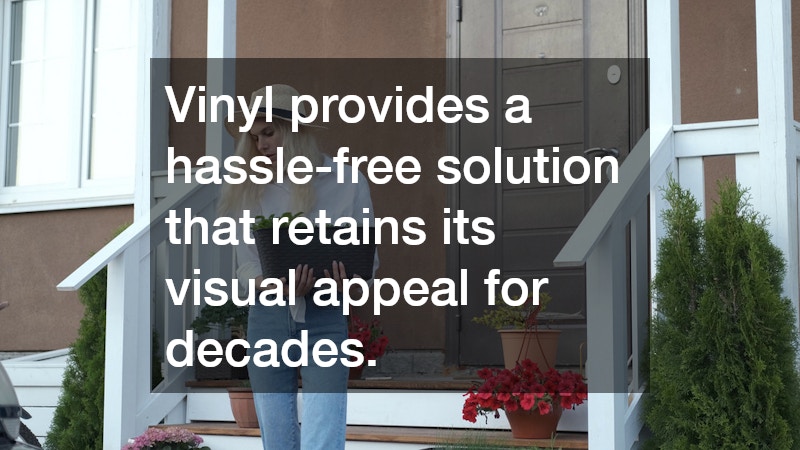
Vinyl handrailing delivers an unbeatable combination of strength, safety, aesthetic appeal, and long-term value. By permanently eliminating rot, rust, pest damage, and regular repainting, vinyl provides a hassle-free solution that retains its visual appeal for decades. Investing in vinyl handrailing ensures a safe, reliable, and cost-effective system that withstands harsh weather conditions while giving property owners absolute peace of mind.