What Services Does an Electrical Contractor Offer?
Electrical contractors play a crucial role in the construction and maintenance of electrical systems in both residential and commercial settings. Their expertise ensures that electrical systems are installed, maintained, and repaired safely and efficiently. This article explores the wide range of services that electrical contractors provide, addressing common questions and topics of interest.
1. What Are the Core Services Provided by Electrical Contractors?
Electrical contractors offer a host of core services, including the installation of electrical systems in new buildings. This includes wiring, lighting, and power distribution solutions necessary to power homes and businesses. In addition to installations, electrical contractors are responsible for maintaining these systems to ensure that they stay operational and safe. Repair work is another crucial service, addressing issues such as power outages, faulty wiring, or equipment failures. These services are tailored to meet both aesthetic and functional requirements, offering a customized approach that suits the specific needs of each client.
Besides basic installation and repair work, electrical contractors provide additional services such as setting up and maintaining backup power systems. These systems, often utilizing generators or battery storage, ensure uninterrupted power supply during outages. Electrical contractors also specialize in installing smart home systems, which are increasingly popular in modern homes. They integrate technology to allow homeowners to control lighting, heating, and other systems remotely. This blend of technology ensures that homes are more energy-efficient and offer greater convenience for the occupants.
Commercial projects often involve a higher level of complexity and scale, requiring intricate planning and execution. Electrical contractors work on large-scale projects like office buildings or shopping malls, providing services such as setting up intricate lighting designs and ensuring safety compliance. They coordinate with other professionals such as architects and builders to align the electrical plan with the overall design. This collaboration helps in creating an optimal electrical layout that maximizes efficiency. It also ensures that the project adheres to all regulatory standards, minimizing the risk of future electrical issues.
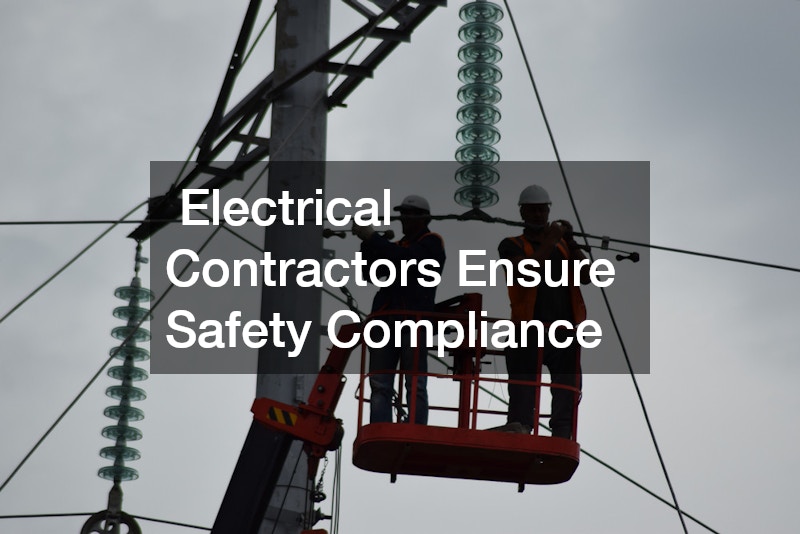
2. How Do Electrical Contractors Ensure Safety Compliance?
Safety compliance is a top priority for electrical contractors, as it prevents accidents and ensures the longevity of the electrical systems. They adhere to strict national and local electrical codes when designing and installing electrical systems. These codes are established to protect both the contractors working on the project and the end-users. Regular safety inspections and audits are conducted to ensure that all installations meet these standards and any potential hazards are identified and mitigated. This vigilance helps in maintaining a safe environment for all building occupants.
To enhance safety, contractors also invest in continuous education and training. This ensures that they are updated on the latest safety practices and technological advancements. By staying informed, they can implement the most advanced safety measures in new installations and existing systems. Safety training sessions include simulations and real-life scenarios to prepare contractors for a variety of potential risks and incidents. Furthermore, they use appropriate safety gear and equipment to protect themselves during installations and repairs.
Another key aspect of ensuring safety compliance involves the use of high-quality materials and equipment. Electrical contractors select certified products known for their durability and safety standards. This minimizes the chances of electrical failures or hazards. Furthermore, they collaborate with safety inspectors to regularly check and verify the condition of both new and existing electrical systems. This collaborative effort not only meets the regulatory requirements but also fosters a culture of safety within the industry.
3. What Advanced Technologies Do Electrical Contractors Utilize?
In today’s technologically advanced world, electrical contractors are utilizing cutting-edge technologies to improve their services. Building Information Modeling (BIM) is one such technology, allowing contractors to create detailed 3D models of the electrical systems. This aids in precision planning and error reduction, minimizing costly reworks. Smart grid technologies are also being adopted to optimize the distribution and consumption of electricity. Through smart grids, contractors can provide solutions that enable efficient energy management and reduce wastage.
Renewable energy technologies have also become an essential component of many electrical contractors’ offerings. They install solar power systems, wind energy solutions, and other renewable technologies to cater to the growing demand for sustainable energy sources. These systems not only contribute to reducing the carbon footprint but also help in lowering energy costs for consumers. Contractors are trained to seamlessly integrate these systems with existing electrical infrastructure, ensuring a reliable and renewable energy supply. This expertise supports the global shift towards greener energy solutions.
Internet of Things (IoT) devices are increasingly incorporated into residential and commercial buildings to create smart environments. Electrical contractors are adept at installing and networking these devices, which enable automation and remote monitoring of electrical systems. These smart systems allow users to manage energy consumption more effectively, providing insights into usage patterns. By leveraging such technologies, electrical contractors help clients achieve greater energy efficiency and enhance the functionality of their living or working spaces.
4. How Do Electrical Contractors Contribute to Energy Efficiency?
Energy efficiency is a critical focus for electrical contractors, reflecting the growing emphasis on sustainability and cost savings. Contractors are adept at assessing a building’s energy consumption and identifying areas for improvement. This often involves upgrading lighting systems to LED solutions, which consume significantly less power than traditional lighting. They also recommend and install energy-saving devices and systems, such as programmable thermostats and energy-efficient appliances. Such upgrades can lead to substantial reductions in energy use and utility bills.
Electrical contractors also play a role in designing and implementing energy management systems for larger entities. These systems monitor and control energy usage, optimizing it for better efficiency. Contractors conduct regular audits and use data analytics to track energy consumption patterns, suggesting changes to reduce waste. By optimizing the energy systems, they help organizations maintain sustainability benchmarks and contribute positively to environmental conservation. This collaborative approach in creating energy-efficient environments benefits not only the clients but the community as well.
Moreover, they advise clients on renewable energy options that complement their existing infrastructure. Solar panels and wind turbines are popular recommendations for those looking to harness natural energy sources. These installations provide a dual benefit of reducing dependency on conventional power sources and lowering electricity expenses. Contractors also assist in navigating government incentives and rebates for renewable energy projects, making eco-friendly solutions more accessible. This proactive role underscores their commitment to advancing energy efficiency initiatives.
5. How Do Electrical Contractors Collaborate with Other Professionals?
Collaboration is at the heart of an electrical contractor’s role in large projects, ensuring a seamless integration of electrical systems into the broader construction process. They work closely with architects to align electrical designs with architectural plans, ensuring that the electrical layout complements the building’s aesthetics and functionality. This collaboration ensures that all electrical requirements are considered early in the design phase, preventing potential conflicts and delays during construction. The synergy between architects and electrical contractors often leads to innovative solutions that enhance the overall utility of the space.
Project managers also rely heavily on electrical contractors to adhere to timelines and ensure that installations proceed without a hitch. Contractors provide detailed schedules and updates, allowing for real-time tracking and adjustments as necessary. This ongoing communication helps in managing resources efficiently and addresses any issues promptly to avoid project bottlenecks. By working in tandem with project managers, contractors keep projects on track and within budget, ensuring satisfactory outcomes for stakeholders. This partnership demonstrates the critical role contractors play in construction and infrastructure projects.
Furthermore, electrical contractors engage with engineers to address technical challenges and implement complex systems. Engineers provide detailed blueprints and specifications, while contractors bring these plans to life through practical application. This partnership involves constant dialogue and problem-solving, ensuring that technical requirements are met and systems operate as intended. The collaboration often extends to post-installation support, where contractors provide ongoing maintenance and upgrades as technology evolves. This collaborative approach underscores the importance of teamwork in delivering robust and reliable electrical solutions.
Electrical contractors offer a diverse range of services that are vital for both everyday electrical needs and innovative projects requiring advanced technologies and energy solutions. Their collaboration with other professionals and adherence to safety standards ensure the reliable delivery of electrical services, ultimately contributing to safer and more energy-efficient living and working environments.