Issues Around the Home That Need Immediate Attention
Plumbing failures can quickly ruin walls, flooring, and personal belongings. Water moves rapidly through building materials, creating an environment ripe for structural decay and health risks.
- Locate your main shut-off valve today so you can act immediately when a major leak or pipe burst occurs.
- Monitor monthly utility statements for unexpected spikes in water consumption, which often point to hidden line leaks.
Immediate Response to Standing or Escaping Water
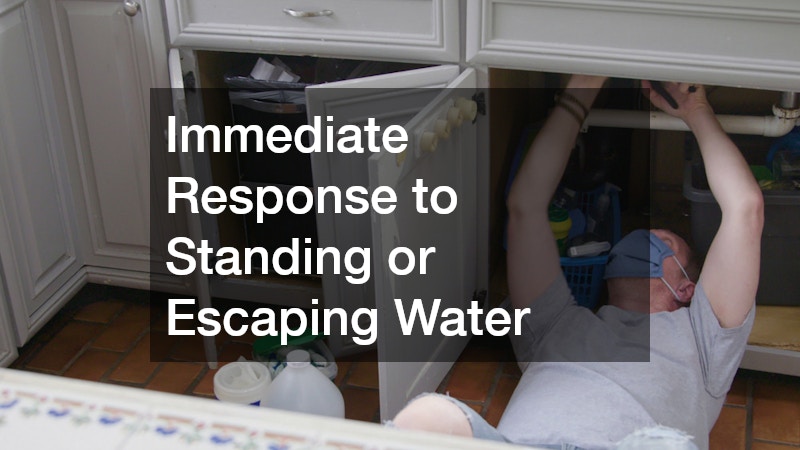
Uncontrolled moisture creates rapid decay in wood framing and subflooring within hours. Immediate containment requires shutting off the main water valve to prevent further spreading. Once the flow is stopped, surface moisture must be removed using wet vacuums and high-volume air movers. Leaving dampness inside wall cavities leads directly to severe water damage that destabilizes the property and fosters dangerous toxic mold colonies.
The drying process must begin immediately because organic materials like paper-backed drywall and wooden joists absorb water like sponges. When water sits inside floors or subflooring, it causes wood fibers to expand, warp, and buckle. Over time, structural support beams lose their load-bearing capacity, creating sagged flooring and unsafe living areas.
Professional restoration teams utilize industrial dehumidifiers to pull moisture from deep inside structural components. Moisture meters verify that wall cavities are completely dry before new drywall or insulation is installed. Skipping thorough drying procedures guarantees that mold spores will thrive, spreading allergens throughout your indoor air supply.
Advanced Detection Methods for Hidden Line Fractures
Plumbing leaks inside concrete slabs or deep within insulated walls often go unnoticed until physical destruction appears. Modern diagnostic specialists utilize advanced tracer gases to locate microscopic cracks in gas and water lines without destroying drywall. Professional technicians apply helium leak detection equipment to trace minute gas molecules escaping through tiny fractures, pin-pointing the exact location of a hidden pipe failure.
- Listen for continuous running water sounds behind walls or beneath floorboards when no fixtures are active.
- Check for unusually warm spots on concrete slab floors, which can indicate a ruptured hot water supply line.
Early identification of concealed line leaks prevents costly foundation settling and structural shifting. When water continually leaks under a concrete foundation slab, it erodes the supporting soil, causing the concrete to crack under the home’s weight. Addressing minor pipe fractures early preserves your foundation and saves thousands in excavation costs.
Infrared thermography cameras are frequently combined with tracer gas methods to map out temperature differences caused by escaping water. This non-invasive diagnostic technique allows plumbers to cut precisely where the leak is located, minimizing damage to finished surfaces and shortening repair timelines.
Clearing Blocked Drainage Systems Safely
When waste water backs up through sinks or shower drains, contaminated water threatens living space health. Main line blockages require swift mechanical or hydro-jet cleaning rather than chemical pour-in products, which can deteriorate older pipes. Professional drain cleaning restores proper flow, prevents sewage backup, and protects indoor air quality from harmful bacterial growth.
Severe main line clogs are often caused by tree roots penetrating aging clay or cast-iron sewer pipes underground. As roots expand inside the pipe, they trap debris, toilet paper, and grease, creating a complete barrier that pushes raw sewage back into home plumbing fixtures.
- Avoid using chemical drain cleaners on main line clogs, as caustic chemicals can damage aging plumbing lines.
- Schedule routine sewer camera inspections to catch root intrusion before total line blockage occurs.
Video camera inspection tools allow technicians to inspect the interior of main waste lines in real time. By pinpointing root intrusion or collapsed pipe sections, home plumbing experts can implement targeted repairs without digging up the entire front yard unnecessarily.
Roofing and Exterior Structure Vulnerabilities
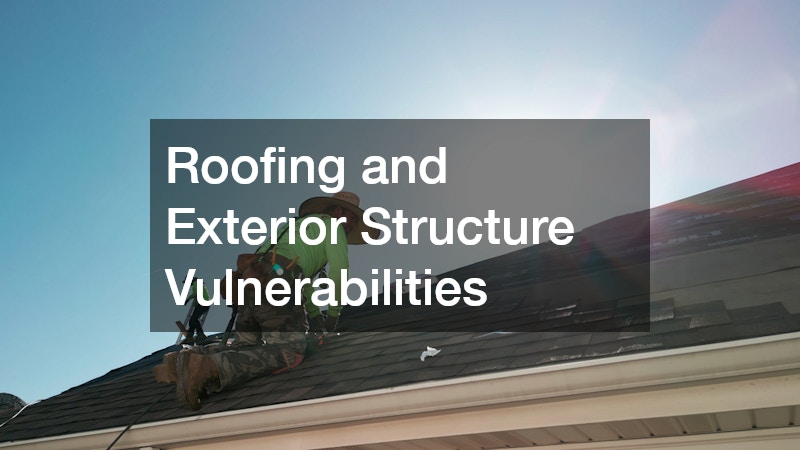
The exterior envelope of a house serves as its first line of defense against weather. Vulnerabilities along the roof line or tree canopy can compromise the entire home structure during severe weather.
Addressing Shingle and Sheathing Failures
Missing shingles, damaged flashing, or sagging roof decks allow rain to penetrate the attic space instantly. When structural roofing elements fail, water travels along support rafters before dripping onto living room ceilings. Engaging a licensed local roofer immediately ensures that temporary tarping prevents further interior ruin while permanent repairs are planned. A roofing contractor will ensure lasting damage does not occur.
- Inspect attic spaces periodically for damp insulation, dark wood stains, or daylight shining through roof boards.
- Examine roof flashing around chimneys, skylights, and vent pipes after severe wind or hail storms.
Roof damage rarely remains isolated to the exterior surface for long. Once water breaches the protective underlayment, attic insulation loses its R-value, raising monthly heating and cooling expenses. Water soaked into structural trusses causes wood rot that compromises the roof’s load-bearing ability under heavy snow or rain loads.
A thorough roof assessment identifies compromised flashing around chimneys, vents, and roof valleys where leaks commonly originate. Replacing damaged shingles and re-sealing metal flashing restores the roof’s waterproof seal, keeping interior living spaces dry and safe.
Managing Drainage and Water Diversion Systems
Gutters and downspouts direct thousands of gallons of rainwater away from home foundations annually. When gutters sag, crack, or overflow, water pools directly around the home foundation, causing basement flooding and soil erosion. Comprehensive gutter repair corrects pitch angles, replaces broken hangers, and seals leaking seams to ensure rainwater moves safely away from the foundation.
- Clean gutters at least twice a year to remove leaves, twigs, and debris that block water movement.
- Extend downspouts at least five feet away from foundation walls to prevent soil saturation and basement leaks.
Clogged or leaking gutters cause water to spill directly down exterior walls, damaging siding, window frames, and exterior trim. Over time, standing water near foundation walls exerts hydrostatic pressure against basement surfaces, resulting in cracked masonry and persistent basement moisture issues.
Installing gutter guards and ensuring proper pitch alignment allows rainwater to flow freely toward downspouts. Regularly inspecting gutter joints and end caps prevents water leakage that could damage exterior soffits and fascias.
Eliminating Storm Hazards in the Tree Canopy
Dead or heavy branches hanging over a house present a massive hazard during high winds. Cracking limbs or compromised root systems can cause immense structural damage if a tree falls on the roof. Scheduling emergency tree removal for compromised trees mitigates safety risks, prevents utility line disruption, and keeps household members safe.
- Watch for dead branches, fungal growth around tree bases, or trunks leaning toward living structures.
- Trim overhanging tree branches back from rooflines to prevent shingle abrasion and roof debris accumulation.
Trees weakened by disease, insect infestation, or root damage are susceptible to falling during sudden storms. Large falling limbs can crush roof trusses, break windows, and tear down overhead utility wires, creating immediate life-safety hazards for occupants.
Professional arborists evaluate tree structural stability and remove hazardous limbs using specialized equipment. Prompt removal of dying or unstable trees near homes prevents catastrophic property loss and ensures peace of mind during storm season.
Electrical System Hazards and Fire Prevention
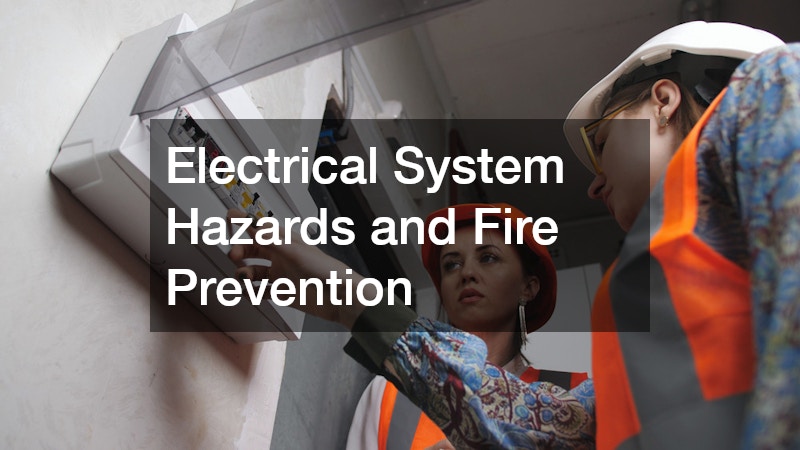
Electrical issues cause thousands of residential fires each year. Knowing the warning signs of failing electrical infrastructure is vital for fire prevention and household safety.
- Never ignore buzzing sounds, burning smells, or warm cover plates coming from outlets and switches.
- Upgrade outdated electrical panels to accommodate modern high-wattage household appliances safely.
Recognizing Warning Signs of Wiring Failure
Breakers that trip frequently, buzzing light switches, or outlets that feel warm to the touch indicate dangerous electrical overload or arcing. Flickering lights often signal loose wiring connections behind walls, which can ignite surrounding insulation. Prompt attention from certified electrical services ensures that faulty wiring, overloaded panels, and outdated connections are safely repaired before a fire occurs.
Electrical arcing occurs when current jumps between loose or damaged wire connections, generating extreme heat that can ignite wood framing, insulation, and drywall. Aluminum wiring installed in older homes is particularly prone to loose connections over time due to thermal expansion and contraction.
An expert electrical evaluation identifies overloaded circuits, outdated knob-and-tube wiring, and degraded insulation. Modernizing household electrical distribution components prevents dangerous electrical fires and ensures electrical safety standards are fully met.
Maintaining Circuit Integrity and Grounding
Modern homes rely heavily on sensitive electronics and high-draw appliances. Outdated electrical panels lacking proper grounding or Ground Fault Circuit Interrupters (GFCIs) invite shock hazards and equipment damage. Electricians can upgrade breakers and install surge protectors to preserve appliance function and maintain electrical safety standards.
- Test GFCI outlets monthly in kitchens, bathrooms, and outdoor areas to ensure proper shock protection.
- Install whole-home surge protectors to shield sensitive electronics from voltage spikes during severe storms.
Grounding systems provide a safe path for excess electrical current to flow harmlessly into the earth during short circuits or electrical surges. Homes lacking grounded three-prong outlets or modern circuit breakers risk equipment damage and electric shock hazards for residents.
Upgrading electrical service panels and adding GFCI protection near water sources guards occupants against accidental electrocution while delivering stable power to household appliances.
Addressing Attic and Crawlspace Ventilation Issues
Inadequate attic ventilation traps excess heat and moisture, leading to roof deck rot, ice dams, and elevated indoor cooling costs. Crawlspaces lacking proper vapor barriers and airflow collect ground moisture, inviting floor joist rot, pest infestations, and toxic mold growth beneath living areas.
- Ensure attic soffit vents remain unobstructed by insulation to maintain continuous airflow across roof decks.
- Lay thick plastic vapor barriers across open dirt crawlspace floors to prevent ground moisture evaporation.
Proper airflow within attic spaces balances temperatures between interior ceilings and exterior roof surfaces, preventing ice dams from forming in winter weather. In summer, adequate attic ventilation vents superheated air outward, reducing heat transfer into living quarters and lowering air conditioning loads.
In crawlspaces, sealing ground soil with heavy-duty vapor barriers stops ground moisture from rising into floor joists and subflooring. Installing crawlspace dehumidifiers or automated vent systems maintains optimal humidity levels, preserving structural floor framing.
Heating and Cooling System Emergencies

Climate control systems regulate indoor temperatures and manage moisture levels. System breakdowns during extreme weather endanger occupant health and comfort.
- Replace HVAC air filters every one to three months to maintain system airflow and heat exchanger performance.
- Schedule seasonal HVAC tune-ups prior to peak summer heat and winter cold snaps.
Restoring Cold-Weather Heating Performance
A sudden heating failure during freezing weather poses severe risks to both occupant health and plumbing lines. Cold air inside the home can freeze water pipes, leading to burst lines and massive flooding. Timely furnace repairs address failed igniters, cracked heat exchangers, or faulty blowers to keep indoor temperatures stable and safe.
Cracked furnace heat exchangers pose a severe carbon monoxide threat to household occupants. Carbon monoxide is an odorless, colorless gas that causes headache, nausea, dizziness, and fatal poisoning when trapped inside living spaces.
Regular heating maintenance includes inspecting heat exchangers, testing safety shut-off switches, and verifying clear flue vent paths. Servicing furnaces before cold weather hits guarantees safe, reliable warmth throughout the winter months.
Preserving Summer Cooling and Humidity Control
Air conditioning systems do more than cool the air; they remove excess humidity from the home. A broken air conditioner allows humidity levels to skyrocket, encouraging mold growth and making indoor air uncomfortable. Expert air conditioning repair diagnoses refrigerant leaks, restores compressor functionality, and prevents system burnouts during extreme heat waves.
- Clear leaves, weeds, and lawn debris from around outdoor air conditioning condenser units to maintain airflow.
- Inspect condensate drain lines regularly to ensure cooling condensation drains away from indoor equipment.
When air conditioners run low on refrigerant due to small coil leaks, cooling efficiency drops dramatically while compressor operating temperatures soar. Running an undercharged cooling system can cause compressor failure, requiring total equipment replacement.
Clearing condensate drain lines regularly prevents water overflow that damages surrounding ceilings, walls, and flooring near indoor furnace and coil units. Routine HVAC servicing preserves cooling performance, manages indoor air moisture, and extends equipment service life.
Foundation and Structural Masonry Maintenance
Foundation cracks, bowing basement walls, and eroding exterior masonry joints compromise overall home stability. Water pooling near foundation walls or freezing within masonry joints creates hydraulic pressure that fractures concrete, leading to water intrusion and structural shifting.
- Monitor exterior foundation walls for widening vertical cracks or horizontal bowing along basement walls.
- Seal small hairline foundation cracks with flexible masonry sealants to prevent water penetration.
Horizontal foundation cracks often indicate serious lateral pressure from water-saturated soil outside basement walls. Left unaddressed, hydrostatic pressure can cause foundation walls to bow inward or collapse entirely over time.
Structural engineers and foundation repair specialists employ steel piers, helical anchors, and carbon-fiber straps to stabilize shifting foundations. Addressing structural settling early protects property value and keeps framing, walls, and rooflines securely aligned.
Promptly identifying and fixing major household issues protects both your property value and your family’s safety. Addressing plumbing leaks, roof failures, electrical risks, and HVAC disruptions early prevents costly repairs down the road. Regular home inspections and quick professional interventions ensure your living space remains safe, secure, and comfortable for years to come.