How to Avoid Costly Emergency Home Repair Bills
The middle of a freezing January night is a terrible time to learn the true cost of an emergency home repair. You are woken up not by your alarm, but by the ominous sound of water dripping onto your bedroom ceiling, or perhaps by the realization that you can see your breath in the living room because the heating system just breathed its last breath. In those frantic moments, as you scroll through local listings looking for anyone who answers a phone at 2:00 AM, your budget ceases to be an abstract plan and becomes a casualty of circumstance.
When you are forced to call a professional out on an emergency basis, you are not just paying for a fix. You are paying a premium for speed, availability, and the sheer inconvenience of the hour. Emergency dispatch fees, holiday surcharges, and rush shipping on parts can easily double or triple the cost of a standard service call. Worse still is the collateral damage. A leaky roof does not just require a structural patch; it destroys drywall, ruins insulation, and fosters mold growth that can cost thousands of dollars to remediate.
The reality of maintaining a home on a budget is that doing nothing is the most expensive option available. True financial security for a homeowner does not come from crossing your fingers and hoping nothing breaks. It comes from adopting a proactive, top-to-bottom strategy that catches minor vulnerabilities before they morph into bank-breaking disasters. By understanding how your home functions as an interconnected ecosystem, you can take control of your maintenance schedule, dictate when money leaves your bank account, and ensure that emergency calls remain a rare anomaly rather than an annual budget-killer.
Auditing Your Roofline to Block Costly Water Intrusion
\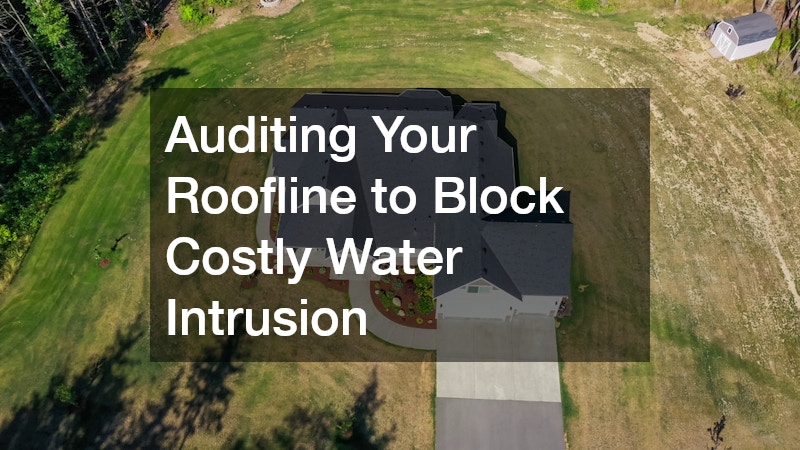
Think of the upper boundary of your home as a shield that takes the brunt of nature’s volatility. Every rainstorm, snow load, and scorching summer afternoon degrades this barrier bit by bit. For many budget-conscious homeowners, the roof is an out-of-sight, out-of-mind component until a visible stain blemishes the ceiling. By that point, water has already bypassed the outer layers, saturated the plywood decking, and compromised the thermal barrier of your insulation. A small, unnoticed gap around a vent pipe can silently rot your rafters for months before a single drop enters the living space.
Conducting a visual audit of this upper structure twice a year is one of the most effective ways to preserve your savings. You do not necessarily need to climb a ladder to do this; a pair of binoculars from the safety of the ground can reveal missing, curled, or cracked shingles that expose the underlayment below. Paying close attention to the flashing around dormers and valleys where water naturally concentrates is equally vital. When these small imperfections are caught early, a localized patch or minor shingle replacement keeps your home dry without draining your bank account. Conversely, ignoring these warning signs accelerates the deterioration of the entire structural deck. When the damage becomes too widespread for minor interventions, you are left with no choice but to hire a licensed roofer to tear everything down and install a completely new system—a major capital expense that could have been deferred for years with simple, timely maintenance.
The vulnerabilities of your upper home are not limited to shingles and flashing. Heavy masonry structures extending above the roofline face unique environmental pressures. Freezing temperatures cause absorbed moisture within mortar joints to expand, cracking the brickwork and loosening the structural integrity of your flue. Left unchecked, a deteriorating chimney can lean, leak water directly into your attic, or create severe ventilation and fire hazards. Addressing these masonry cracks early prevents a catastrophic collapse. Securing a timely chimney repair ensures that the brickwork remains sound and sealed against weather, neutralizing a silent threat to your finances before it requires an emergency rebuild.
Directing Rainfall Away From Your Property to Protect the Exterior
When torrential rain falls, a house must successfully process hundreds of gallons of water every hour. If that water is allowed to cascade off the roof edges haphazardly, it beats down on the ground immediately adjacent to your foundation, carving trenches, eroding topsoil, and saturating the earth next to your basement walls. Managing this heavy runoff is a critical component of preventative property care, requiring a clear, unobstructed path from the roof all the way to a safe discharge zone far from the structure.
To establish an effective water-diversion strategy, implement the following steps during the next heavy rainfall:
- Observe the roofline to see if water is overtopping the collection troughs or leaking through sagging joints, which indicates a blockage or structural failure.
- Verify that downspouts are securely attached and that extensions carry water at least five to six feet away from the base of the home.
- Clear away accumulated leaves, twigs, and pine needles that restrict flow and cause water to back up under the lower shingles.
- Inspect the soil grading around the perimeter of the house to ensure it slopes away from the structure at a decline of at least one inch per foot for the first six feet.
When your drainage infrastructure is compromised, water finds alternative routes, often backing up under the roof eaves or rotting the wooden fascia boards behind the channels. If your current troughs are warped, rusted through, or improperly pitched, investing in a professional gutter installation is an essential preventative defense. Properly sized and pitched channels ensure that heavy downpours are seamlessly captured and routed away, eliminating the risk of wood rot and exterior water pooling.
Furthermore, water overflowing from clogged or failing drainage systems inevitably runs down the exterior walls of your house. Continuous exposure to sheets of water strips away paint, warps wood, and invites destructive moisture into the wall cavities. Once moisture gets trapped behind the exterior barrier, it breeds rot in the structural studs and sheathing, creating an incredibly costly remediation project. Ensuring your home has resilient, weather-tight cladding through updated siding services protects these vulnerable structural layers. Quality, well-installed exterior siding acts as a durable raincoat for your home, shedding water efficiently and keeping the underlying timber bone-dry for decades.
Stabilizing the Ground to Prevent Catastrophic Structural Shifts
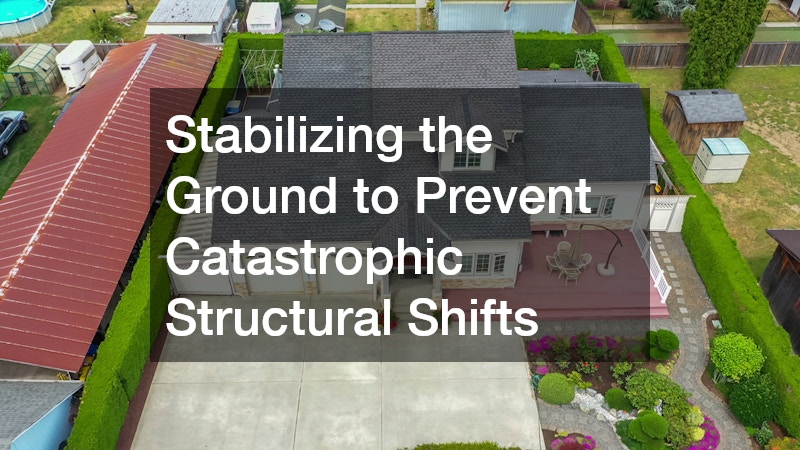
The ground beneath our feet is far less stable than it appears. Soils expand when saturated with water and shrink dramatically during periods of drought. This continuous cycle of swelling and contracting places immense stress on any concrete elements poured on top of or within the earth. Over time, uneven soil compaction and poor water drainage cause sidewalks, driveways, and concrete patios to sink, tilt, or crack, creating an array of hazards and structural headaches.
Imagine a concrete walkway that has settled unevenly right where it meets your front porch. At first glance, it looks like a minor aesthetic annoyance. However, as that slab tilts inward toward the house, it begins to act as a funnel, directing every drop of rainwater straight against your home’s main structure. Additionally, uneven slabs pose a significant liability risk for trips and falls, which can suddenly destabilize a household budget through unexpected medical or legal costs. Rather than waiting for the concrete to break apart entirely or tearing it out for an expensive re-pour, addressing the issue early through professional concrete leveling restores the proper slope and alignment. This process stabilizes the underlying soil and lifts the slab back to its original position, correcting the drainage angle and removing safety hazards at a fraction of the cost of full replacement.
When soil instability moves beyond exterior slabs and begins to affect the main support structures of your home, the financial risks escalate dramatically. When a house settles unevenly due to shifting earth or poor drainage, the pressure can cause the main supports to crack, bow, or shift out of alignment. You might first notice this inside the house: a door that suddenly sticks in its frame, a window that refuses to latch, or mysterious stair-step cracks appearing in your drywall. Ignoring these signs allows the structural integrity of the entire building to degrade. Pursuing timely foundation repair stabilizes the core of your home, pinning it to stable strata or reinforcing the walls before the movement causes irreversible damage to the upper framing, ceilings, and roofs.
Sealing Below-Grade Walls to Eliminate Costly Moisture Damage
Subterranean spaces are uniquely vulnerable to the laws of physics. Because these walls sit entirely below the ground level, they are constantly subjected to hydrostatic pressure—the sheer weight of water contained in the surrounding soil pushing against the concrete. If the water table rises or the exterior drainage fails, that moisture will relentlessly search for any microscopic pore, hairline crack, or construction joint to force its way into your home.
A damp or flooded lower level is a financial black hole. It ruins valuable mechanical equipment, destroys stored personal belongings, and creates a high-humidity environment that forces your air conditioning system to work twice as hard, driving up monthly utility bills. More critically, persistent moisture leads to toxic mold growth within wall cavities, a problem that requires specialized, expensive environmental cleanup crews to resolve.
To keep this space dry, you must create an absolute barrier against the earth. Applying a basic coat of waterproof paint on the interior walls is rarely enough to withstand heavy hydrostatic pressure. True protection requires a comprehensive approach that addresses both water entry and interior moisture management. Investing in professional basement waterproofing provides a reliable system of interior drainage channels, high-capacity sump pumps, and specialized wall barriers that collect and evacuate water before it ever touches your living space. By maintaining a dry, stable climate below grade, you safeguard your home’s structure, protect your health, and eliminate the risk of a catastrophic post-storm flood cleanup.
Tune Up Vital Utilities to Avoid Sudden Service Interruptions
Your home relies on an intricate network of mechanical systems to provide clean water, fresh air, and consistent warmth. Because these utilities operate behind the scenes, it is easy to take them for granted until the moment they stop working. Mechanical components do not experience linear wear; a small amount of friction, a clogged filter, or a minor electrical short can place immense strain on an entire system, leading to a sudden, complete mechanical failure when you least expect it.
Consider the system responsible for delivering your daily water supply if your property runs on a private well. The mechanical components responsible for pulling water from deep underground operate under high pressure and constant cycling. If the pressure tank loses its air charge or the electrical contacts pit and corrode, the pump motor will begin to cycle on and off rapidly, a destructive behavior known as short-cycling. If left uncorrected, this extra strain burns out the motor entirely, leaving your household without running water. Keeping a close eye on the system and ensuring the water well pump receives regular electrical tests and pressure checks prevents these sudden, inconvenient failures, keeping your water flowing smoothly without emergency replacement fees.
The quality of the water moving through your plumbing infrastructure also plays a massive role in the lifespan of your appliances. Water laden with high mineral content or sediment acts like liquid sandpaper, scraping away at valves, heating elements, and the interior walls of your pipes. This mineral scale builds up inside water heaters, insulating the water from the heating source and forcing the unit to run longer and hotter to achieve the same temperature, which drastically shortens its operational life. Integrating a home water filtration system protects your entire plumbing grid by removing these destructive minerals and sediments at the point of entry. This single intervention extends the working life of your washing machine, dishwasher, and water heater, saving you from premature replacement costs.
Finally, consider the climate control systems that keep your indoor environment safe during extreme weather. A heating system that is clogged with dust and suffering from worn bearings must draw significantly more electricity or fuel to warm your home, ballooning your monthly utility bills. More importantly, an unmaintained burner can experience incomplete combustion, cracked heat exchangers, or total failure in the dead of winter, posing severe safety risks to your family. Establishing an ongoing relationship with certified furnace installers for regular, seasonal tune-ups ensures that your heating system operates at peak efficiency. These professionals can identify small component failures, like a failing igniter or a frayed belt, and replace them for a nominal fee during a scheduled visit, completely avoiding the premium costs and shivering discomfort of an emergency mid-winter service call.
Establishing Long-Term Financial Resilience
The journey of homeownership is filled with unpredictable moments, but the financial strain of emergency repairs does not have to be one of them. By shifting your mindset from reactive panic to proactive preservation, you transform your relationship with your property. Your home stops being a collection of items waiting to break and becomes a well-maintained asset that rewards your attention with reliability and value.
The most effective way to implement this preventative strategy is to establish a dedicated home maintenance fund, allocating a modest amount each month specifically for scheduled inspections and minor tune-ups. When you have a dedicated budget for upkeep, you no longer hesitate to call a technician to look at a small crack, a minor leak, or an unusual mechanical sound. Catching these minor issues early keeps your long-term costs incredibly low and ensures your home remains safe and efficient.
Ultimately, protecting your budget is about taking control of your time and resources. Two thorough property walk-arounds a year, combined with regular professional maintenance for your critical structural and mechanical systems, will insulate your bank account from unexpected shocks. By investing a little time and attention into your home today, you can enjoy peace of mind tomorrow, knowing that your budget is secure and your home is fully prepared to withstand whatever weather comes its way.