Maintenances and Upgrades for Modern Home Efficiency
Residential energy efficiency is no longer simply a matter of turning off lights when leaving a room or dropping the thermostat a few degrees in winter. The modern home operates as a complex, interconnected system where structural integrity, mechanical equipment, power distribution, and thermal barriers constantly interact. When every component functions at peak design parameters, the result is lower utility bills, reduced environmental impact, improved indoor air quality, and superior physical comfort throughout the year.
Conversely, neglecting minor routine maintenance creates a compounding effect across your home’s infrastructure. A clogged air filter strains a furnace blower, which increases electrical consumption, degrades indoor air, and eventually leads to premature mechanical breakdown. Minor water leaks degrade subfloors, raise ambient humidity, and force cooling systems to work twice as hard to dehumidify living spaces. Moving from a reactive approach—fixing components only after they fail—to a strategic, preventative approach is the key to managing a cost-effective and high-performing living environment.
Maximize Seasonal Airflow and Thermal Performance

Heating and cooling account for over half of the average home’s total energy consumption, making mechanical climate control the single largest opportunity for efficiency gains. Modern high-efficiency systems are engineered to precise specifications regarding static pressure and airflow velocity. When dust, debris, or degraded components disrupt this delicate mechanical equilibrium, energy consumption skyrockets while system lifespan plummets. Maintaining heating and cooling equipment requires a balanced schedule of frequent DIY tasks paired with routine technical tuning.
In addition to maintaining equipment coils and motors, managing the distribution system—the network of supply and return trunks—is vital. Leaky or obstructed air pathways force variable-speed blowers to draw more wattage while delivering less conditioned air to target zones.
- Replace air filters systematically: Swap out standard furnace filters every 60 to 90 days, or every 30 days during peak summer and winter periods. Choose filters with an appropriate Minimum Efficiency Reporting Value (MERV 8 to 11) that trap airborne particulates without creating excessive static pressure that strains the blower motor.
- Maintain clearance around outdoor condensing units: Clear leaves, tall grass, mulch, and overhanging branches to maintain at least two feet of open clearance around outdoor air conditioning units. Wash coil fins annually with a low-pressure garden hose to remove windblown dirt and cottonwood seeds.
- Optimize zone temperature management: Install smart thermostats equipped with remote temperature and motion sensors. Programming dynamic schedules and setback temperatures during sleeping or away hours can trim annual heating and cooling bills by up to 10 percent.
- Clean and align distribution registers: Vacuum return grilles and unblock supply registers throughout the home, ensuring furniture or drapes do not obstruct room-to-room airflow and cause backpressure buildup in the ductwork.
- Configure auxiliary heating controls: For electric heat pump systems, verify that emergency backup resistance heating strips are configured with proper lockout temperatures to prevent energy-intensive heat strips from engaging during mild winter weather.
- Schedule professional system calibrations: Establish an annual maintenance schedule with a qualified HVAC company to perform comprehensive diagnostics, check refrigerant charges, measure motor amperage draw, inspect electrical contactors, and verify heat exchanger safety.
- Restore distribution hygiene: Address compromised air distribution networks by scheduling professional air duct cleaning every three to five years, especially after home renovations or if occupants suffer from persistent allergies, ensuring uninhibited airflow across supply registers.
Prevent Silent Leaks and Reduce Household Water Consumption

Water heating represents the second-largest energy expense in most residences, typically accounting for 18 percent of utility costs. Modern plumbing efficiency relies on two distinct goals: reducing total hot water consumption and optimizing the thermal efficiency of water heating and distribution hardware. Traditional tank-style water heaters store tens of gallons of water continuously at 120 degrees Fahrenheit, incurring constant standby heat loss through the tank shell.
Systemic flow restrictions within drain networks also diminish overall home efficiency. Sluggish drains create stagnant moisture conditions, increase indoor relative humidity, and put unnecessary stress on home ventilation systems. Proactive plumbing care protects structural subflooring and optimizes water delivery.
- Insulate hot water distribution lines: Wrap accessible hot water copper or PEX piping with pre-slit tubular foam insulation. This simple upgrade reduces standby heat loss as water travels to fixtures, allowing you to lower the water heater temperature setting without sacrificing tap temperature.
- Lower water heater baseline temperature: Adjust your water heater thermostat to 120 degrees Fahrenheit. This temperature prevents bacterial growth within the tank while significantly slowing mineral scale buildup and cutting heating energy loss.
- Install ultra-low-flow fixtures: Upgrade older showerheads and sink faucets with high-efficiency models certified by EPA WaterSense. High-efficiency showerheads using 1.75 to 2.0 gallons per minute use up to 30 percent less hot water without sacrificing spray pressure.
- Inspect and fix silent toilet leaks: Test toilet tanks twice a year by adding food coloring to the tank; if color appears in the bowl before flushing, replace worn flappers or fill valves to prevent continuous water loss.
- Add demand-controlled hot water recirculation: Retrofit a smart recirculation pump system that operates via motion sensors or remote triggers, instantly delivering hot water to distant fixtures without wasting gallons down the drain while waiting.
- Clear main drain pathways safely: Avoid using harsh chemical drain cleaners that cause chemical burns on inner pipe walls and accelerate iron or PVC corrosion. Instead, utilize hydro-jetting or mechanical augers offered through professional drain cleaning services to clear organic buildup and keep lines flowing smoothly.
- Perform annual water system audits: Partner with a licensed plumber to inspect pressure-reducing valves, test expansion tanks, flush thermal sediment from the bottom of water heating units, and evaluate retrofitting options like tankless, point-of-use, or hybrid heat pump water heaters.
Eliminate Phantom Loads and Support Clean Energy Demands
The modern residence consumes substantially more electricity than homes built just a few decades ago, driven by the proliferation of consumer electronics, home offices, smart appliances, and electric vehicle charging equipment. A significant portion of this energy is consumed as phantom loads—power drawn by electronic devices while turned off or in standby mode. Mitigating phantom loads requires strategic management of power strips, home energy monitoring devices, and modern circuitry.
As homes transition toward heat pumps and induction cooking, electrical infrastructure must evolve to handle higher continuous loads safely and efficiently. Aging, undersized breaker panels or degraded copper wiring introduce electrical resistance, which wastes energy as heat and poses a serious fire hazard.
- Deploy smart power management: Plug media centers, computer setups, and secondary electronics into advanced smart power strips. These strips automatically cut power to peripheral devices like soundbars and monitors when the primary device is powered down.
- Transition fully to high-efficiency lighting: Replace lingering incandescent or halogen bulbs with modern LED options. Standard LEDs consume 75 to 80 percent less energy than traditional incandescents and produce virtually no ambient heat, reducing summer cooling demands.
- Install home energy monitors: Integrate a digital energy monitoring system directly into your main electrical panel. These devices use current transformers to read real-time energy consumption, helping you identify energy-hungry appliances and abnormal background power draws.
- Balance individual branch circuits: Ensure heavy electrical loads are evenly distributed across panel phases during panel updates to reduce neutral wire heating and prevent voltage drops along long appliance circuits.
- Upgrade to motion-activated outdoor lighting: Swap continuously burning security floodlights for high-efficiency solar or motion-sensing LED fixtures that illuminate perimeter areas only when movement is detected.
- Evaluate infrastructure capacity: Work with certified electricians to conduct panel load calculations, ensure proper grounding, eliminate loose neutral connections, and upgrade outdated 100-amp service panels to modern 200-amp configurations suitable for modern electrification.
- Protect high-value electrical assets: Protect delicate electronic controls in modern variable-speed HVAC units, smart refrigerators, and home automation systems by securing comprehensive electrical services to install a whole-home surge protective device (SPD) at the primary breaker panel.
Lock In Attic Insulation and Stop Weather-Induced Heat Gain
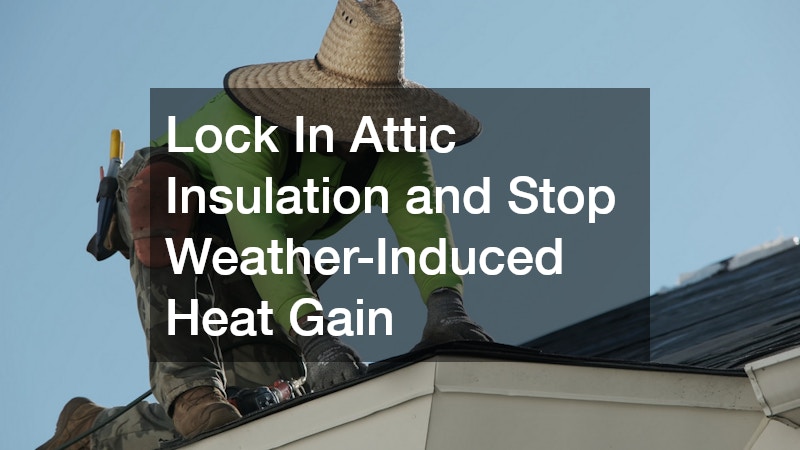
A home’s roof and attic assembly serves as the primary barrier against atmospheric conditions. During hot summer months, solar radiation converts roof shingles into thermal radiators, driving attic temperatures up to 150 degrees Fahrenheit. In winter, warm air rises through the living space, escaping through attic penetrations via the stack effect. Uninsulated or improperly ventilated attic spaces create massive energy losses, force air conditioners to run constantly, and contribute to winter ice dams.
Building science demonstrates that managing attic efficiency requires two complementary strategies: installing continuous thermal insulation and maintaining balanced passive ventilation. Proper airflow through soffit and ridge vents removes excess attic heat and moisture before it damages roof sheathing or compromises insulation depth.
- Air-seal attic floor penetrations: Before topping off insulation, seal all mechanical openings between the living space and the attic using expanding spray foam or high-temp silicone. Common leakage points include ceiling light fixtures, bath exhaust fans, chimney chases, and attic access hatches.
- Bring insulation depth to modern standards: Ensure your attic achieves recommended thermal resistance values (typically R-38 to R-60 depending on climate zone). Blown-in cellulose or loose-fill fiberglass provides continuous coverage that eliminates thermal gaps.
- Maintain soffit vent pathways: Install baffle vents between rafter bays where the roof meets exterior walls. Baffles prevent blown insulation from clogging soffit vents, keeping fresh intake air moving through the attic assembly.
- Insulate attic access points: Build or install an insulated hatch cover box with weatherstripping over the attic pull-down staircase to block one of the largest uninsulated air pathways in the ceiling thermal envelope.
- Mount radiant barrier shields: In southern climates subject to extreme solar exposure, install reflective radiant barrier foils beneath roof rafters to bounce thermal radiation away from attic insulation and lower cooling loads.
- Inspect structural roof coverings: Keep seasonal storm damage from ruining interior attic insulation by arranging regular assessments from certified roofing services to replace missing shingles, verify flashing seals around chimneys, and inspect underlying decking.
- Explore solar-reflective roof retrofits: When roof replacement becomes necessary, consult a licensed roofing contractor regarding modern cool-roof materials, such as architectural shingles coated with reflective granules engineered to bounce infrared rays away from the structure.
Seal Perimeter Vulnerabilities and Plan Retrofits for Long-Term Savings

The exterior building envelope—comprising walls, doors, windows, and attached structures—is your home’s main defensive boundary. Unsealed gaps around window frames, sliding doors, and structural transitions leak conditioned indoor air continuously. Uncontrolled air infiltration can account for up to 30 percent of total heating and cooling loss, creating uncomfortable drafts and hot spots throughout living areas.
In integrated floor plans, unconditioned spaces like attached garages act as massive thermal buffers. Uninsulated garage doors allow cold or hot air to press directly against shared interior walls and bonus room floors, dragging down living zone temperatures. Systematic perimeter sealing and strategic architectural upgrades lock in conditioned air and stabilize interior temperatures.
- Conduct draft tests and apply sealants: Use an incense stick or thermal leak detector on windy days to locate air leaks around window sashes, door frames, electrical outlets on exterior walls, and baseboards. Seal stationary gaps with high-grade silicone caulk and replace worn weatherstripping on moveable doors.
- Insulate attached garage footprints: Treat the garage as a major thermal vulnerability. Install high-density foam panels on exposed garage walls and add bottom-seal weatherstripping to block wind infiltration under exterior doors.
- Install solar window shades or exterior awnings: Place exterior shade screens or retractable awnings over unshaded south- and west-facing windows to block direct radiant sunlight before it passes through glass panes into living spaces.
- Foam-seal foundation penetrations: Use expanding foam designed for masonry gaps to seal outdoor hose bibs, gas lines, and dryer vent penetrations along exterior foundation walls, preventing low-level draft entry.
- Upgrade overhead garage doors: Contact specialized garage door repair companies to inspect door tracks, tune counter-balance spring tension, and replace uninsulated garage doors with modern steel-faced, polyurethane-insulated models rated at R-12 to R-16.
- Upgrade to high-performance fenestration: Replace old single-pane glass windows with double- or triple-pane ENERGY STAR certified units featuring low-emissivity (low-E) coatings and argon gas fills to minimize radiant heat transfer.
- Execute comprehensive envelope retrofits: For older structures requiring major efficiency overhauls, collaborate with reputable home remodeling services to install continuous exterior foam board insulation beneath new siding, replace leaking entry doors, and rebuild degraded window rough openings.
Creating an energy-efficient home is not a one-time project; it is an ongoing operational strategy that yields compounding returns over time. By combining low-cost seasonal DIY tasks with targeted, high-impact professional upgrades, you protect your property investment, enhance daily living comfort, and reduce household utility costs.
To maximize your return on investment, organize your efficiency roadmap into manageable phases. Begin by completing low-cost, high-yield tasks such as air-sealing attic openings, installing programmable thermostats, insulating hot water pipes, and replacing worn door weatherstripping. Once basic air leaks and maintenance items are addressed, schedule comprehensive professional inspections for your mechanical, electrical, and structural systems.
When planning major updates, take full advantage of financial incentives. Modern home efficiency projects often qualify for significant utility rebates, local municipal grants, and federal tax credits designed to offset upfront equipment costs. By maintaining a structured annual schedule, tracking system performance, and investing in high-efficiency upgrades, you can ensure your home remains comfortable, sustainable, and cost-effective for decades to come.