What Is an Energy Efficient Home? Key Features to Know
Key Takeaways
- An efficient home uses less energy while still providing comfortable temperatures, lighting, hot water, and other essential services.
- Insulation and air sealing help reduce heat transfer and prevent conditioned air from escaping.
- Efficient HVAC systems, water heaters, appliances, and lighting can reduce unnecessary energy consumption.
- Energy-efficient windows, doors, and proper ventilation help improve comfort while managing heat transfer and indoor air quality.
- Smart thermostats, sensors, timers, and energy monitors can give homeowners greater control over energy use.
- Regular inspections and maintenance help preserve the performance of equipment and building components over time.
- Homeowners can improve efficiency gradually by identifying major sources of energy waste and prioritizing practical upgrades.
A comfortable home is not necessarily an efficient one. A house may have modern appliances, attractive finishes, and a powerful heating or cooling system while still wasting large amounts of energy. An energy-efficient home is designed and maintained to use less energy while providing the comfort, lighting, hot water, and other services people need every day. Its efficiency comes from how different parts of the property work together, including insulation, windows, HVAC equipment, lighting, appliances, water heating, and ventilation.
Understanding these features can help homeowners identify where energy is being lost and which improvements may provide the greatest benefits. Whether building a new property or upgrading an existing one, improving efficiency can make a home more comfortable, reduce unnecessary energy use, and support long-term property performance.
What Is an Energy Efficient Home?
An energy-efficient home is a property that uses energy carefully and effectively rather than allowing significant amounts to go to waste. It can maintain comfortable indoor temperatures, provide adequate lighting and hot water, and operate household equipment while consuming less energy than a comparable home with inefficient systems. Efficiency is not based on one product or upgrade. Instead, it depends on the way the building envelope, mechanical systems, appliances, and daily habits work together.
A well-designed home also reduces the amount of energy needed in the first place. Good insulation can slow heat transfer, efficient windows can reduce unwanted temperature changes, and proper air sealing can prevent conditioned air from escaping. High-efficiency heating and cooling equipment can then meet the remaining demand without unnecessarily consuming power.
This means an efficient home is not simply a house filled with energy-saving appliances. It is a property where design, construction, equipment, maintenance, and occupant behavior all contribute to better energy performance.
Why Does Energy Efficiency Matter at Home?
Energy efficiency affects more than a monthly utility bill. A home’s ability to retain conditioned air, control heat gain, and operate its equipment efficiently can influence comfort, maintenance needs, indoor air quality, and the long-term performance of major systems. For homeowners, efficiency improvements can therefore be both practical and financial.
Reducing wasted energy can also make household energy use more predictable. When a home has effective insulation, properly functioning HVAC equipment, efficient lighting, and well-maintained appliances, less energy is needed to achieve the same everyday results.
Some of the main benefits include:
- Lower energy consumption: Efficient systems can provide the same basic services while using less electricity or fuel.
- Improved comfort: Better insulation, air sealing, and temperature control can reduce hot and cold spots throughout the home.
- Less strain on equipment: Efficient building components can reduce the workload placed on heating and cooling systems.
- Potentially lower operating costs: Using less energy can reduce recurring utility expenses, although actual savings depend on local energy prices and household usage.
- Better long-term performance: Quality upgrades and regular upkeep can help building systems perform reliably for longer.
- Reduced environmental impact: Lower energy consumption can reduce the emissions associated with energy production, depending on the home’s energy source.
Efficiency can be especially valuable when energy prices rise or when homeowners spend considerable amounts of time at home. Even relatively small improvements can become meaningful when they reduce energy waste year after year.
Which Features Make a Home More Energy Efficient?
Energy efficiency comes from multiple components working as a system. A home with excellent appliances can still perform poorly if it has inadequate insulation or major air leaks. Likewise, an efficient HVAC unit may have to work much harder than necessary if windows allow excessive heat transfer.
The most important features generally address four areas: reducing energy demand, improving equipment efficiency, controlling indoor conditions, and managing how energy is used.
Key features include:
- A well-insulated building envelope
- Effective air sealing
- Energy-efficient windows and doors
- Efficient heating and cooling equipment
- Efficient water heating
- Energy-saving appliances
- Efficient lighting
- Good ventilation and indoor air management
- Smart controls and energy monitoring
- Proper maintenance of major systems
These features should not be viewed independently. For example, improving insulation can reduce the heating and cooling load, which may allow HVAC equipment to operate more efficiently. Installing smart controls can further help homeowners avoid unnecessary energy use.
The goal is not necessarily to install every available technology. Instead, homeowners should identify where their property uses the most energy and address the largest sources of waste first.
How Does Insulation Help Reduce Energy Waste?
Insulation is one of the most important parts of an energy-efficient home because it helps slow the movement of heat through the building envelope. During hot weather, insulation can help keep outdoor heat from moving into conditioned spaces. During colder conditions, it can help keep indoor warmth from escaping.
The effectiveness of insulation depends on factors such as the material, thickness, installation quality, and location. Common areas that may require insulation include attics, roofs, exterior walls, floors, and areas surrounding conditioned spaces.
An insulated attic, for example, can help reduce heat transfer between the roof and the rooms below. Wall insulation can further limit temperature changes caused by outdoor conditions.
However, simply adding insulation does not guarantee good performance. Gaps, compression, moisture problems, or poorly installed materials can reduce its effectiveness. Insulation should therefore be considered alongside air sealing and moisture management.
Homeowners should pay particular attention to areas where insulation may be missing, damaged, or inadequate. An energy assessment can help identify these problems before money is spent on upgrades that may not address the property’s largest sources of energy loss.
Why Are Air Sealing and Windows Important?
A home can have good insulation and still waste energy through uncontrolled air movement. Small gaps around windows, doors, pipes, vents, electrical penetrations, and other openings can allow conditioned air to escape and outdoor air to enter.
Air sealing addresses these unwanted pathways. When properly performed, it can help improve temperature control and reduce the workload on heating and cooling equipment.
Windows and exterior doors are also important because glass can allow significant heat transfer. Older or poorly sealed windows may create drafts or allow outdoor temperatures to affect indoor spaces more easily.
Energy-efficient windows may incorporate features such as:
- Multiple panes of glass: These can provide greater insulation than traditional single-pane designs.
- Low-emissivity coatings: These coatings can help control heat transfer through the glass.
- Insulated frames: Frame materials and construction can influence overall window performance.
- Proper weatherstripping: Good seals can reduce unwanted air leakage around movable sections.
- Professional installation: Even a high-performance window can lose some of its benefit if it is installed incorrectly.
Curtains, shades, and exterior shading can also help manage solar heat gain. However, these measures complement rather than replace properly designed windows and adequate air sealing.
How Does an Efficient HVAC System Improve a Home?
Heating and cooling often account for a substantial portion of household energy use, making HVAC performance an important consideration. An efficient system can provide the required indoor temperature while consuming less energy than an older or poorly maintained unit.
But equipment efficiency is only one part of the equation. HVAC systems operate within the building envelope. If the house has air leaks, poor insulation, blocked vents, or inefficient ductwork, even a modern system may need to run longer to maintain comfort.
Homeowners can improve HVAC performance by:
- Replacing outdated equipment when replacement is appropriate
- Choosing equipment with efficiency ratings suited to the local climate
- Cleaning or replacing filters according to manufacturer recommendations
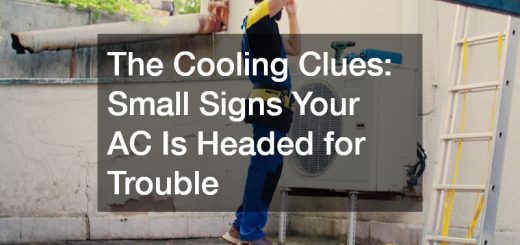
- Keeping outdoor units free from unnecessary obstructions
- Checking ductwork for leaks or poor insulation
- Maintaining appropriate thermostat settings
- Scheduling professional inspections when needed
Correct sizing is also important. An oversized or undersized system may not operate as effectively as one properly matched to the property’s requirements.
For this reason, improving the building envelope before replacing HVAC equipment can sometimes be a practical strategy. If insulation and air sealing reduce the home’s heating and cooling demand, the HVAC system may not need to work as hard.
What Role Do Appliances and Water Heating Play?
Refrigerators, dishwashers, washing machines, dryers, ovens, and other appliances consume energy throughout their operating lives. Choosing efficient models can reduce energy use without requiring homeowners to change how they perform everyday tasks.
When replacing an appliance, homeowners should look beyond the purchase price. Energy consumption over several years can represent a significant portion of the total cost of ownership.
Water heating deserves similar attention. Heating water for showers, washing dishes, laundry, and other household activities requires energy. Inefficient water heaters, poorly insulated pipes, and excessive hot-water use can increase consumption.
Potential improvements include:
- Choosing an appropriately sized high-efficiency water heater
- Insulating accessible hot-water pipes where appropriate
- Repairing leaking hot-water fixtures
- Using efficient showerheads and faucets
- Washing clothes with appropriate water temperatures
- Reducing unnecessary hot-water consumption
Tankless, heat-pump, solar, and other water-heating technologies may offer different efficiency characteristics depending on the home, climate, installation conditions, and energy prices. Homeowners should evaluate the complete system rather than choosing equipment based solely on a technology label.
Can Lighting Make a Home More Efficient?
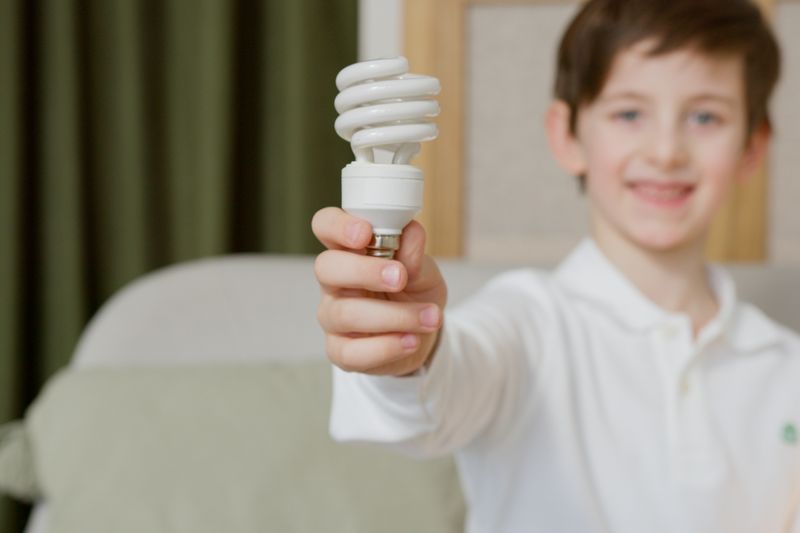
Lighting may seem like a relatively small part of household energy use, but inefficient bulbs can consume more electricity and require more frequent replacement. LED lighting has become a common efficiency upgrade because LEDs generally use less electricity and last longer than traditional incandescent bulbs.
An efficient lighting strategy combines technology with good design. Not every room needs to be brightly illuminated at all times. Using natural daylight where practical can reduce the need for artificial lighting during the day.
Homeowners can also consider:
- Installing LED bulbs and fixtures
- Turning off unnecessary lights
- Using dimmers where compatible
- Installing occupancy or motion sensors in suitable areas
- Using timers for outdoor lighting
- Designing spaces to make better use of available daylight
These measures are generally straightforward, but their impact can accumulate across an entire property.
How Can Smart Technology Reduce Energy Use?
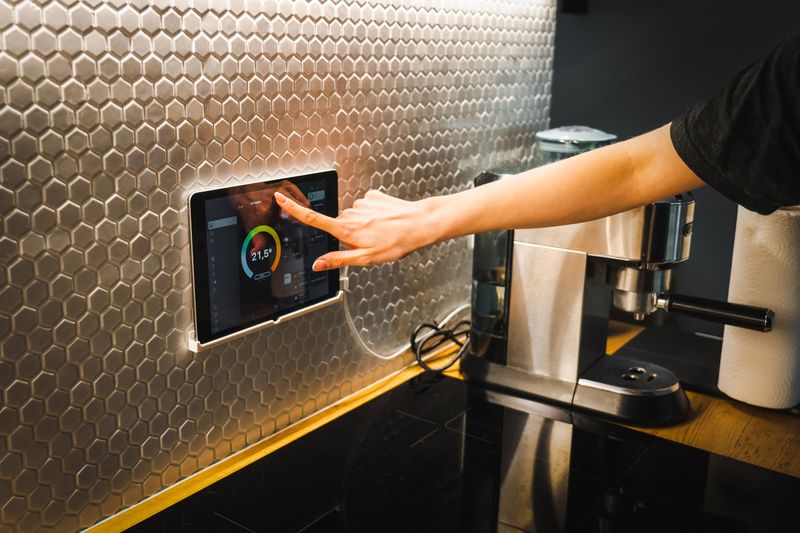
Smart home technology can give homeowners more control over when and how energy is consumed. Programmable and smart thermostats, occupancy sensors, automated lighting, energy monitors, and smart plugs can help reduce unnecessary operation.
For example, a smart thermostat may adjust heating or cooling based on a household schedule. Energy monitoring equipment can show how much electricity certain systems or appliances are using, helping homeowners identify unusual consumption patterns.
However, technology does not automatically create efficiency. A smart device that is poorly configured or constantly operating may provide little benefit. The most useful systems are those that help homeowners make practical decisions and automate energy-saving behaviors.
Smart technology can be particularly useful when combined with efficient building components. A well-insulated home with efficient equipment and appropriate controls can provide a stronger overall performance than technology alone.
Why Is Ventilation Important in an Efficient Home?
Energy efficiency should not mean sealing a house so tightly that indoor air quality is neglected. A home needs appropriate ventilation to manage moisture, odors, pollutants, and stale air.
Modern energy-efficient construction often focuses on controlled air movement rather than uncontrolled drafts. Mechanical ventilation systems can help introduce fresh outdoor air while managing the energy associated with conditioning that air.
Kitchens and bathrooms deserve particular attention because cooking, bathing, and other activities can produce moisture. Exhaust fans can help remove humid air and reduce the risk of moisture-related problems.
A balanced approach is important: the home should limit unwanted air leakage while providing deliberate ventilation where necessary.
What Maintenance Does an Energy Efficient Home Need?
Efficiency is not a one-time achievement. Equipment becomes dirty, seals deteriorate, filters become clogged, and components can gradually lose performance. Regular inspections and upkeep help preserve the benefits of efficiency upgrades.
Homeowners should develop a maintenance schedule covering major systems and components. The appropriate frequency depends on the equipment, manufacturer recommendations, climate, and condition of the property.
Useful home maintenance tasks and upgrades may include cleaning HVAC components, checking weatherstripping, inspecting insulation, sealing appropriate gaps, servicing water-heating equipment, cleaning appliances, and replacing inefficient equipment when necessary.
Seasonal checks can also help identify small issues before they become expensive repairs. For example, a minor air leak around a window may be relatively easy to correct, while prolonged moisture intrusion could eventually damage surrounding materials.
Maintenance should therefore be treated as part of energy management rather than an unrelated household chore.
How Can Homeowners Improve an Existing Property?
Not every homeowner can undertake a major renovation or replace every system at once. Fortunately, energy efficiency can be improved gradually. The best approach is usually to identify the property’s biggest sources of energy waste and prioritize improvements based on cost, condition, expected performance, and household needs.
A practical starting point is to examine utility bills and observe when energy consumption is highest. Homeowners can then inspect common problem areas, such as drafty windows, inadequate insulation, aging HVAC equipment, inefficient lighting, or excessive hot-water use.
An energy audit or professional assessment can provide more detailed information. Depending on the property, an assessment may identify air leakage, insulation deficiencies, equipment inefficiencies, or other performance issues.
A phased improvement plan might look like this:
Step 1: Address obvious problems.
Repair leaks, damaged seals, malfunctioning equipment, and other issues that cause immediate waste.
Step 2: Improve the building envelope.
Consider insulation, air sealing, windows, doors, and shading where they provide meaningful benefits.
Step 3: Upgrade major systems.
When HVAC, water heaters, or appliances reach the end of their useful lives, consider efficient replacements.
Step 4: Improve controls.
Use programmable thermostats, timers, sensors, or energy monitoring when they address actual household needs.
Step 5: Maintain the improvements.
Continue inspections and routine servicing so efficiency does not decline over time.
This approach allows homeowners to improve performance without assuming that every efficiency upgrade needs to happen simultaneously.
Is an Energy Efficient Home Worth the Investment?
The value of an efficiency improvement depends on the property, local climate, energy costs, equipment condition, household behavior, and upfront installation cost. Some upgrades may provide noticeable benefits quickly, while others are primarily long-term investments.
Homeowners should consider more than immediate energy savings. Improved comfort, reduced equipment strain, fewer maintenance problems, and better control over indoor temperatures can also contribute to the overall value of an upgrade.
It is useful to compare potential improvements based on several factors:
- Initial installation cost
- Expected energy savings
- Equipment lifespan
- Maintenance requirements
- Available rebates or incentives
- Effect on comfort
- Impact on other household systems
- Local climate and energy prices
For example, replacing an inefficient appliance may be straightforward, while improving insulation may require a larger project. The best sequence depends on the home’s existing condition.
The important point is that energy efficiency should be approached as a long-term property strategy rather than a collection of disconnected purchases.
How Do You Know If Your Home Is Energy Efficient?
There is no single feature that automatically makes a property energy efficient. A home needs to perform well as a complete system. Homeowners can begin by looking for signs of unnecessary energy use, inconsistent indoor temperatures, drafts, frequently running HVAC equipment, high utility consumption, or aging appliances and mechanical systems.
Professional energy assessments can provide a more detailed picture. Depending on the service, an assessment may examine insulation, air leakage, HVAC performance, windows, appliances, lighting, and other energy-related factors.
Homeowners can also compare energy use over time. Sudden increases in consumption without corresponding changes in household behavior may indicate equipment problems or other issues that deserve investigation.
Ultimately, an efficient home is one that delivers the comfort and services occupants need without unnecessarily wasting energy. The exact combination of improvements will differ from one property to another.
Conclusion
An energy-efficient home is built around a simple principle: use energy effectively while minimizing unnecessary waste. Insulation, air sealing, efficient windows, HVAC equipment, appliances, lighting, water heating, ventilation, smart controls, and regular maintenance all contribute to that goal. The strongest results usually come from treating these components as parts of one connected system rather than relying on a single upgrade.
Homeowners do not have to transform an entire property overnight. Starting with the areas responsible for the greatest energy loss, addressing maintenance issues, and making carefully planned upgrades can gradually improve performance. With the right combination of design, equipment, upkeep, and everyday habits, a home can become more comfortable, economical to operate, and better prepared for long-term energy demands.