From Jammed Bolts to Snapped Keys Troubleshooting Common Door Hardware Failures
We interact with door hardware dozens of times a day, usually without a second thought. It is only when the familiar click of a latch becomes a stubborn resistance, or when a key refuses to turn, that we realize how much our daily security and convenience depend on these intricate mechanical devices. Over time, friction, environmental factors, and simple wear and tear can cause even the most high-end locks to fail. While some issues are minor annoyances that can be fixed with a bit of lubrication, others are precursors to a total lockout.
Understanding why your door hardware is failing is the first step toward a solution. By identifying the symptoms early, you can often perform a simple repair before the situation escalates into a crisis.
However, recognizing the limits of your own mechanical skill is equally important for maintaining the integrity of your home’s security.
The Frustration of Misalignment and Jammed Bolts
One of the most common issues homeowners face is a deadbolt or latch that no longer aligns with the strike plate on the door frame. You may find yourself having to lift, pull, or push the door with significant force just to get the bolt to slide into place. This is rarely a failure of the lock itself; rather, it is usually a result of the house settling or the door hinges sagging over time. Even a shift of a few millimeters can cause the bolt to hit the metal plate instead of the hole, creating a “jammed” sensation.
To troubleshoot this, start by inspecting the hinges. Often, the weight of the door causes the top hinge to pull away from the frame slightly. Tightening the screws—or replacing a short screw with a three-inch wood screw that reaches the wall stud—can often pull the door back into alignment. If the door is level but the bolt still misses, you may need to slightly enlarge the opening in the strike plate using a metal file.
However, if the bolt is jamming while the door is wide open, the problem is internal. This often indicates that the “tailpiece” or the internal “cam” has become disconnected or stripped. At this stage, forcing the thumb-turn can break the internal housing, leading to a situation where the door is permanently locked. If the mechanical movement feels “crunchy” or disconnected, it is a sign that the internal components have reached the end of their lifespan and require a full replacement.
The Crisis of the Snapped or Stuck Key
There are few sinking feelings quite like the sensation of a key snapping off inside a lock cylinder. This usually happens for two reasons: either the key has developed a hairline fracture from years of use, or the internal pins of the lock have seized up, causing the user to apply too much torque. When a key breaks, it often leaves a portion of the blade deep inside the “keyway,” rendering the lock unusable from either side.
Before you reach for a drill, there are a few non-destructive methods to try. If a portion of the key is protruding from the cylinder, you might be able to pull it out with a pair of needle-nose pliers. If it is flush with the face of the lock, some hardware stores sell “key extractor” tools—thin, hooked pieces of metal designed to slide alongside the key and pull it out.
Preventing this issue is largely a matter of lubrication. Many people mistakenly use WD-40 or oil-based lubricants, which can actually attract dust and grime, eventually turning into a sticky paste that galls the pins. Instead, use a dry graphite lubricant or a specialized PTFE-based spray. A quick puff of lubricant into the keyway once a year can ensure that the pins move freely, reducing the amount of force required to turn the key and preventing the metal fatigue that leads to breakage.
When Troubleshooting Fails: Knowing When to Call for Help
While a DIY approach works for a loose screw or a dry cylinder, certain hardware failures require professional intervention to avoid damaging the door or the frame. This is especially true with modern “smart locks” or multi-point locking systems found on many contemporary patio doors. These systems involve complex linkages and electronic components that can be easily ruined by an amateur attempt at repair.
In many instances, failures happen at the most inopportune times—late at night, during a holiday, or in the middle of a rainstorm. This is where the services of emergency locksmiths become invaluable. These professionals possess specialized extraction tools, bypass shims, and a deep understanding of lock geometry that allows them to gain entry or repair a failed bolt without causing expensive structural damage. Attempting to “kick in” a door or break a window is almost always more expensive than the fee for a professional service call.
Furthermore, a professional can tell you if your lock failure was a fluke or a sign of a deeper security vulnerability. For example, if your bolt failed because someone attempted to “bump” or “pick” the lock, a technician can recommend high-security cylinders that are resistant to these common methods of forced entry. They can also ensure that your strike plate is reinforced with long screws that prevent the door from being kicked in—a critical safety feature that many builders overlook.
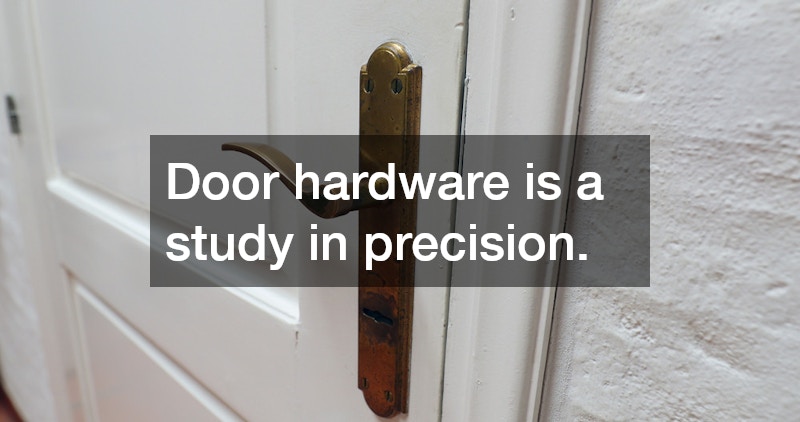
Ultimately, door hardware is a study in precision. It is designed to provide a seamless transition between the world and your sanctuary, but it requires a baseline of care to function correctly. By keeping your hinges tight, your cylinders lubricated, and your strike plates aligned, you can prevent the majority of common hardware failures. However, when the metal finally gives way or the key snaps, remember that help is available. Maintaining a relationship with a trusted professional ensures that a jammed bolt remains a minor footnote in your day rather than a total disruption of your security.