Why Fast Action Matters After Indoor Flooding
by A Practical Resident · Published · Updated
Water damage can affect a home far more quickly than many people realize. A leaking appliance, burst pipe, roof problem, or severe storm can send water into flooring, walls, and furniture within minutes. Even small amounts of standing water can spread into hidden areas and continue causing damage long after the original problem has stopped.
Professional water clean up helps homeowners remove moisture quickly while reducing the risk of long-term structural damage and mold growth. The sooner the cleanup process begins, the better the chances of protecting the property from more serious repairs later.
Water Spreads Faster Than Expected
Many homeowners are surprised by how quickly water moves through a house. Moisture can seep beneath flooring, travel behind walls, and soak into insulation before visible signs fully appear. Carpets, wood flooring, drywall, and furniture often absorb water rapidly, especially during large leaks or flooding events.
The longer water remains inside the home, the more difficult restoration can become. Materials that stay wet for extended periods may begin weakening, warping, or developing odors that become harder to remove over time.
Professional water clean up services focus on removing standing water as quickly as possible while beginning the drying process immediately. Fast response helps reduce the amount of material that may need replacement later.
Different Types of Water Require Different Responses
Not all indoor flooding involves clean water. Water from supply lines or appliance leaks may initially pose fewer health concerns than sewage backups or stormwater intrusion. However, any type of standing water can become unsafe if left untreated for too long.
Contaminated water may contain bacteria, chemicals, or debris that require specialized handling during cleanup. Sewage backups are especially hazardous because they can affect indoor air quality and create sanitation concerns throughout the home.
Professional water clean up teams understand how to assess the type of water involved and determine the safest restoration approach. Proper protective equipment and cleaning methods help ensure the property is restored safely and thoroughly.
Hidden Moisture Can Create Long-Term Problems
One of the biggest challenges after indoor flooding is that not all damage remains visible. Even after standing water is removed, moisture may still remain trapped beneath flooring, inside walls, or within structural materials.
This hidden moisture can continue causing problems long after surfaces appear dry. Wood may begin warping, paint may peel, and drywall can weaken over time if moisture remains untreated.
Mold growth is another major concern. Damp areas with limited airflow create ideal conditions for mold development, sometimes within a relatively short period after water exposure.
Professional water clean up often includes moisture detection equipment designed to locate hidden dampness throughout the property. Thorough drying helps reduce the likelihood of future structural or air quality problems.
Quick Cleanup Helps Protect Personal Belongings
Flooding can damage more than just the structure of a home. Furniture, electronics, clothing, photographs, and important documents may also be affected when water spreads indoors.
Some belongings can be restored if drying and cleaning begin quickly enough. Upholstered furniture, rugs, and wood items may sometimes be salvageable depending on the extent of water exposure and contamination.
Professional restoration teams often prioritize protecting and relocating valuable belongings during the cleanup process. Fast action increases the chances of saving personal items before permanent damage occurs.
Drying Equipment Plays an Important Role
Removing visible water is only part of the restoration process. Drying equipment such as industrial fans, air movers, and dehumidifiers helps pull moisture from affected materials and improve air circulation throughout the property.
Without proper drying methods, moisture can remain trapped beneath surfaces even when the area appears dry to the touch. This is why professional water clean up services often continue for several days depending on the severity of the damage.
Technicians monitor moisture levels carefully throughout the drying process to ensure affected areas return to safe conditions before restoration is considered complete.
Insurance Documentation May Help the Recovery Process
Water damage often involves insurance claims, especially when flooding affects multiple areas of the home. Taking photographs, documenting damaged items, and saving repair records can help homeowners during the claims process.
Many restoration companies assist with documentation by providing detailed reports, moisture readings, and service records related to the cleanup process. These materials may help support communication with insurance providers during recovery efforts.
Understanding the source of the damage also matters because insurance coverage may vary depending on whether the water came from plumbing failures, weather events, or other causes.
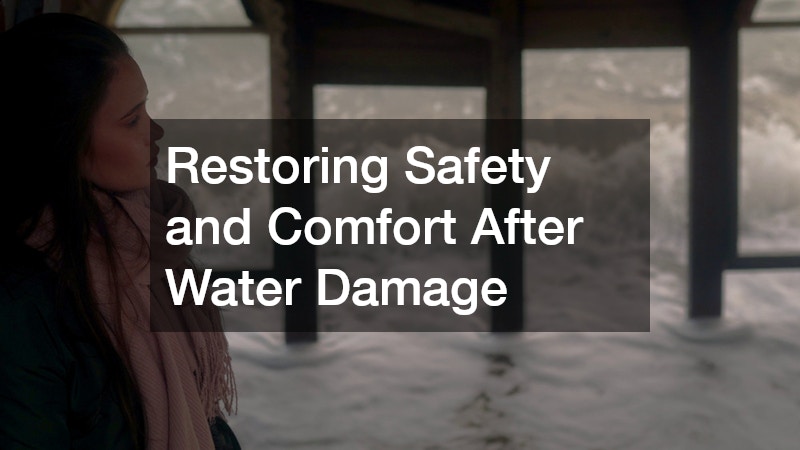
Restoring Safety and Comfort After Water Damage
Indoor flooding can feel overwhelming, especially when water spreads quickly through important living areas. Beyond the visible damage, moisture can continue affecting the home long after the initial event if cleanup is delayed.
Professional water clean up helps homeowners remove moisture, protect structural materials, and reduce the risk of mold growth or long-term damage. With fast response and proper restoration methods, families can begin returning their homes to a safer, cleaner, and more comfortable condition after unexpected water damage occurs.
You may also like...
-

Kitchen Remodel Design Tips to Maximize Space and Style
by A Practical Resident · Published February 23, 2026
-
5 Essential Steps for Effective Roof Restoration
by A Practical Resident · Published June 23, 2025
-

How these Home Fixes Can Change the Way You Live
by A Practical Resident · Published June 24, 2025
- Next story From Jammed Bolts to Snapped Keys Troubleshooting Common Door Hardware Failures
- Previous story How to Upgrade Your Garage