The Cooling Clues: Small Signs Your AC Is Headed for Trouble
Most air conditioning systems don’t suddenly stop working without warning. In many cases, the system shows subtle clues long before a complete breakdown occurs. The challenge is that these early signals can be easy to overlook, especially when your air conditioner still seems to be doing its job most of the time. Homeowners often ignore minor changes in performance, thinking they’re temporary or harmless.
However, these small signs can signal developing mechanical problems, airflow issues, or efficiency losses. Paying attention to these early warning signs can help you avoid expensive emergency repairs, uncomfortable indoor temperatures, and rising energy bills. A struggling air conditioner will usually give hints that something isn’t working quite right if you know what to look for.
This guide explores the most common warning signs that your air conditioner may be headed for trouble. By understanding what these clues mean and how to respond to them, you can take practical steps to keep your home cool, efficient, and comfortable all season long.
When the Airflow Feels Weaker Than It Used to
One of the earliest warning signs of air conditioner trouble is reduced airflow coming from your vents. You may notice that rooms take longer to cool or that the air coming out of vents feels weaker than it did in previous seasons. While this issue may seem minor at first, weak airflow can indicate deeper problems within the system. When airflow drops, your air conditioner has to work much harder to achieve the same level of cooling, which places unnecessary strain on internal components.
In many homes, airflow issues develop gradually, making them difficult to detect right away. Over time, dust buildup, clogged filters, or blocked ducts can reduce the system’s ability to circulate air effectively. If the problem continues, it may even lead to frozen coils or overheated parts. Addressing weak airflow early through routine ac services and proper air conditioner maintenance can prevent these issues from escalating into costly repairs. These quick steps often solve minor airflow issues and can restore cooling performance quickly. However, if the airflow remains weak after these checks, it may indicate deeper problems such as duct leaks, failing blower motors, or coil blockages.
When airflow problems persist, professional technicians can perform detailed inspections of the blower assembly, ductwork, and evaporator coils. Catching these issues early helps restore proper air circulation and prevents your system from working harder than necessary.
Strange Noises That Shouldn’t Be Ignored
Air conditioners typically operate with a steady, low humming sound. When new noises appear, it’s often a sign that something inside the system is wearing out or malfunctioning. Strange sounds rarely fix themselves, and ignoring them can lead to more serious damage over time.
Different types of sounds often point to different issues. Grinding noises may suggest worn-out motor bearings, while rattling could mean loose parts inside the unit. Hissing sounds may indicate refrigerant leaks, and buzzing often signals electrical problems. When these sounds start appearing regularly, it’s a clear sign the system needs professional attention from experienced HVAC contractors or a qualified ac repair service.
If you notice unfamiliar noises, pay attention to the type and timing of the sound. Identifying when it happens can help technicians diagnose the problem faster. For example, the noise may occur during startup, while the unit is running, or when it shuts off. While some minor rattling may simply come from loose screws or panels, most unusual noises indicate mechanical wear that requires professional repair. Running a noisy system for long periods can cause additional parts to fail, leading to more expensive fixes later.
Addressing these sounds quickly helps protect your air conditioner’s major components. Early diagnosis often means simpler repairs, less downtime, and fewer disruptions to your home’s comfort.
Warm Spots Around the House Even When the System Is Running
If certain rooms in your home never seem to cool down properly, it may signal an underlying issue with your air conditioning system. Uneven cooling often develops gradually, with one room feeling noticeably warmer than others despite the system running regularly. Many homeowners assume this is simply due to sunlight exposure or insulation differences, but it can also point to airflow imbalances or system inefficiencies.
Warm spots frequently develop when cooled air isn’t reaching certain areas of the home effectively. This can happen due to duct leaks, blocked vents, or poorly balanced airflow. In some cases, the air conditioner may simply be struggling to keep up with the cooling demand in larger homes. Consulting experienced HVAC companies or scheduling diagnostic ac services can help determine whether the issue stems from ductwork, equipment limitations, or system design.
Homeowners can begin troubleshooting by checking common airflow barriers around the house. After checking these potential issues, you may notice improvements in airflow and temperature balance. However, persistent warm spots often require professional airflow testing to identify hidden duct leaks or pressure imbalances.
Technicians can perform specialized measurements to determine how air is moving throughout the home. Correcting these imbalances helps ensure every room receives adequate cooling, improving both comfort and system efficiency.
Rising Energy Bills Without Any Clear Reason
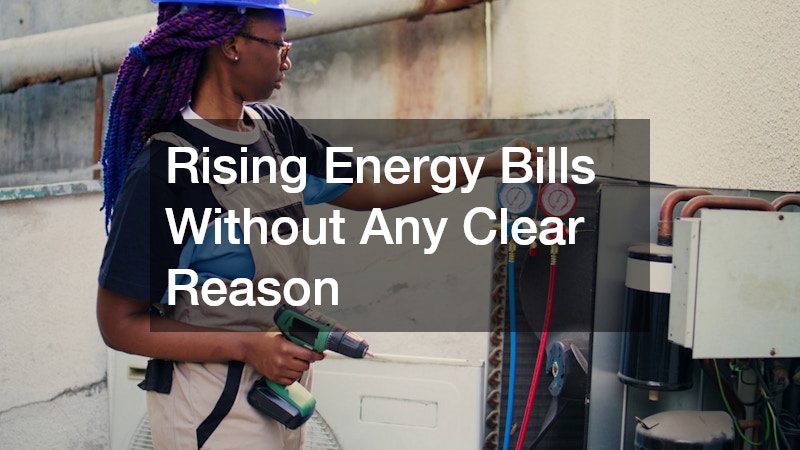
A sudden increase in energy bills can be one of the clearest signs that your cooling system is struggling. When an air conditioner becomes less efficient, it must run longer and consume more electricity to maintain the same indoor temperature. Many homeowners notice this change during peak summer months when utility bills rise unexpectedly despite normal thermostat settings.
Efficiency problems often develop gradually as components wear out or become dirty. Dust buildup on coils, clogged filters, and aging parts can reduce the system’s ability to transfer heat effectively. Regular HVAC Service visits and consistent air conditioner maintenance play an important role in preventing these efficiency losses before they drive up energy costs.
There are several indicators that your air conditioner may be using more energy than it should. After identifying these signs, homeowners should consider scheduling a professional inspection. Technicians can evaluate refrigerant levels, inspect electrical components, and clean critical parts that affect efficiency.
Improving system efficiency doesn’t just lower energy bills — it also reduces wear on important components. By restoring proper performance early, homeowners can extend the lifespan of their cooling equipment while maintaining consistent indoor comfort.
The Thermostat and the System Seem Out of Sync
Sometimes the problem with a struggling air conditioner isn’t the unit itself but the thermostat controlling it. If the thermostat reading doesn’t match the actual temperature in your home, the system may run longer than necessary or shut off too early. This disconnect can cause uneven cooling, wasted energy, and frustration for homeowners trying to maintain a comfortable environment.
Thermostat issues often occur when sensors become miscalibrated or when wiring connections start to fail. In older systems, outdated thermostat models may struggle to communicate effectively with modern equipment. When these issues arise, a professional ac repair service or experienced HVAC contractors can determine whether the problem lies with the thermostat or the cooling system itself.
Professionals can test the thermostat’s communication with the air conditioner and determine whether repairs or upgrades are necessary. In many cases, replacing an outdated thermostat improves both comfort and energy efficiency.
Excess Humidity Indoors Even With the AC Running
Air conditioners are designed to do more than just cool your home—they also help remove excess moisture from the air. When humidity levels remain high despite the system running, it may indicate a problem with the cooling process. Sticky indoor air, condensation on windows, and musty smells are all signs that the system isn’t removing moisture effectively.
High humidity can make indoor temperatures feel warmer than they actually are, causing the system to run longer and work harder. This can lead to higher energy bills and additional wear on equipment. Scheduling regular HVAC Service and consulting experienced HVAC companies can help determine why the system isn’t properly controlling humidity levels.
Several factors can contribute to humidity problems in a home. After identifying the cause, technicians can restore proper humidity control by cleaning coils, adjusting airflow, or correcting refrigerant levels. These adjustments allow the system to remove moisture more effectively while maintaining comfortable indoor temperatures.
Balanced humidity levels not only improve comfort but also protect your home from mold growth and moisture-related damage. Addressing these issues early ensures your cooling system performs both of its essential functions — cooling and dehumidifying.
Frequent On-and-Off Cycling Throughout the Day
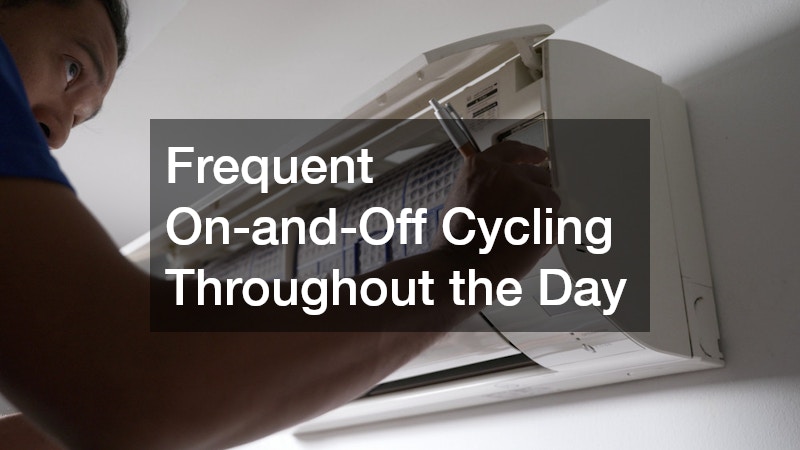
Short cycling occurs when an air conditioner turns on and off repeatedly in a short period of time. Instead of running through a normal cooling cycle, the system starts and stops frequently without properly cooling the home. This behavior can place heavy strain on the compressor and other critical components.
Short cycling often develops due to underlying mechanical or electrical issues. Refrigerant leaks, clogged coils, and electrical control problems can all trigger rapid cycling. If the issue continues unchecked, it can lead to compressor failure — the most expensive component to replace. Prompt attention from an experienced ac repair service or skilled HVAC contractors can prevent the problem from escalating.
Several warning signs indicate short cycling may be happening. These symptoms indicate that the system isn’t completing proper cooling cycles. When the unit starts and stops repeatedly, it uses more electricity and experiences greater mechanical stress.
Professional technicians can diagnose the underlying cause by inspecting refrigerant levels, electrical controls, and system sizing. Fixing the problem early helps protect the compressor and restore efficient cooling.
Ice Buildup on the Outdoor or Indoor Unit
Ice forming on an air conditioner is always a warning sign that something isn’t functioning properly. While it may seem counterintuitive, freezing often occurs when airflow is restricted or refrigerant levels are incorrect. Ice buildup prevents the system from absorbing heat effectively, which can quickly reduce cooling performance.
Many homeowners first notice ice forming on the outdoor condenser lines or on the indoor evaporator coil. When this happens, it’s important to turn off the system to allow the ice to melt. Continuing to run the unit in this condition can damage important components. Scheduling professional ac services and keeping up with air conditioner maintenance helps prevent these freezing issues from developing.
Several common problems can cause ice formation in an air conditioning system. After identifying the cause, technicians can restore normal airflow and cooling performance. In some cases, this may involve cleaning components, repairing leaks, or replacing worn parts.
Preventive maintenance is one of the most effective ways to avoid freezing problems. Routine inspections ensure that airflow remains unobstructed and refrigerant levels stay within the correct range.
The System Is More Than 10–15 Years Old and Acting Up
Age is one of the most important factors affecting air conditioner reliability. Most cooling systems are designed to last between 10 and 15 years when properly maintained. As systems approach the end of their lifespan, parts begin to wear out more frequently, and efficiency levels start to decline.
Older systems may still operate, but they often struggle to keep up with modern cooling demands. Rising repair costs, declining efficiency, and outdated refrigerants can make continued operation less practical. In these situations, homeowners may benefit from discussing with HVAC installers about HVAC system replacement options with reputable HVAC companies.
There are several signs that an aging air conditioner may be nearing retirement. When multiple issues appear at once, replacing the system may provide better long-term value than continuing repairs. Newer air conditioners offer improved efficiency, quieter operation, and better humidity control. Professional evaluations help homeowners determine whether replacement or continued repairs make the most financial sense.
Your Cooling Needs Changed After Renovations
Home renovations can dramatically change how your air conditioning system performs. Projects that increase square footage, alter floor plans, or add rooms may place additional demands on the existing cooling equipment. If the system was originally sized for a smaller space, it may struggle to maintain consistent temperatures after these changes.
This situation often occurs after home additions, converted garages, or finished basements are added to a house. Even if the original system still functions, it may not have sufficient capacity to cool the expanded space effectively. Scheduling a professional HVAC Service evaluation can help determine whether adjustments or upgrades are necessary.
Proper system sizing ensures that every room receives adequate airflow and cooling. Addressing these changes early helps prevent ongoing comfort problems and unnecessary wear on the system. Air conditioning systems rarely fail without warning. Long before a complete breakdown occurs, most units show subtle signs that something isn’t working quite right. A reputable air conditioning company can help with changes in airflow, unusual sounds, uneven cooling, and rising energy bills, which can all signal that the system needs attention.
By recognizing these clues early, homeowners can prevent small issues from turning into major repairs. Paying attention to how your cooling system behaves throughout the season can make a significant difference in both comfort and long-term costs. Small adjustments, timely inspections, and proactive care can keep the system running efficiently for many years.
Ultimately, the best way to keep your home cool and comfortable is to stay attentive to the signals your system provides. When you notice something unusual, taking action quickly can protect your equipment, lower energy costs, and ensure reliable cooling when you need it most.