Garage Door Installation Process, Costs, and Common Repairs
Garage doors play a critical role in both residential and commercial properties. They provide security, support daily access, and contribute to energy efficiency and curb appeal. Whether you’re replacing an aging door or installing one for a new build, understanding the installation process, cost factors, and common repair issues helps you make informed decisions. A properly installed and well-maintained garage door operates safely, lasts longer, and reduces the risk of unexpected breakdowns. This guide breaks down what to expect from garage door installation, how pricing is determined, and how to handle common repairs.
What Is the Process for Installing a Garage Door?
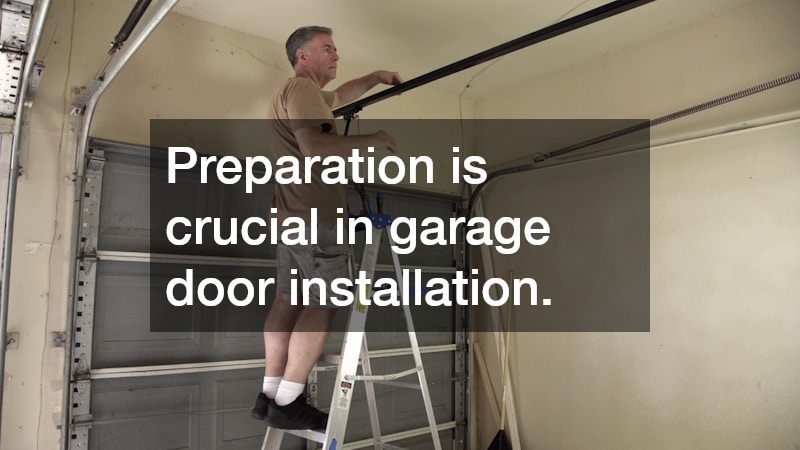
Preparation is crucial in garage door installation, starting with accurate measurement of the garage opening’s width, height, headroom, and side clearance. Incorrect measurements can lead to fit issues or added costs.
The next step is choosing the appropriate door type and material from options like steel, aluminum, wood, and composites, each with different durability, insulation, and maintenance needs. Decision on manual or automatic operation, and features like insulation, windows, or smart openers, is also made. Installers ensure that proper tools and safety equipment are ready for a secure installation.
The installation initiates with setting the door frame and tracks, where vertical and horizontal tracks are securely mounted and aligned to prevent binding or wear. The door panels are installed bottom-up, with each leveled and connected with hinges. Rollers are added for track movement. The spring system, either torsion or extension, is installed to balance the door’s weight, requiring precision due to high tension. Finally, the opener system, including motor and control wiring, is connected.
The door undergoes multiple tests post-installation to ensure smooth operation. Installers adjust balance, alignment, and opening speed as necessary. Safety features like auto-reverse sensors and manual releases are tested for safety compliance. The last steps include sealing gaps, programming remotes or keypads, and reviewing operation and maintenance with the owner. Any small issues are resolved before project completion.
How Much Does Garage Door Installation Cost?
Several variables influence the total cost of garage door installation. Material choice is a major factor, with steel generally being more affordable and wood or custom composite doors costing more. Door size affects costs, as larger doors need more materials and labor. Additional features like insulation, windows, decorative hardware, and smart technology can increase costs. Labor rates vary by region and job complexity, especially if structural or electrical work is needed. Removing and disposing of an old door may also incur extra expense.
On average, garage door installation costs range from $700 to $2,500. Basic single-car steel doors with manual operation are at the lower end. Automatic doors with standard openers cost more due to extra equipment and labor. Custom or high-end doors, such as solid wood or full-view aluminum, can range from $3,000 to $6,000 or more. Commercial-grade doors or oversized residential doors often cost more due to heavier materials and reinforced hardware.
To manage costs, set a realistic budget that includes installation, accessories, and future maintenance. Request quotes from qualified installers to compare pricing and scope. Be wary of unusually low estimates, which may suggest lower-quality materials or shortcuts. Choosing standard sizes and designs instead of custom options can save money. Seasonal promotions or off-peak installation periods may offer savings. While DIY installation may cut labor costs, it’s recommended only for experienced individuals, as improper installation can lead to safety hazards and costly repairs.
What Are the Common Garage Door Repairs and Maintenance Tips?
Garage doors experience regular wear due to frequent use. Common issues include misaligned or dirty safety sensors, which can prevent the door from closing properly. Broken springs are another frequent problem and often present as a door that feels extremely heavy or won’t open at all. Faulty openers, worn rollers, frayed cables, and damaged tracks can also affect performance. Warning signs include unusual noises, jerky movement, slow operation, or the door reversing unexpectedly.
Some minor maintenance tasks, such as tightening hardware, cleaning sensors, or lubricating moving parts, can be handled by property owners. However, repairs involving springs, cables, or opener motors should be left to professionals. These components are under significant tension and pose serious safety risks if handled incorrectly. Hiring a professional ensures repairs are completed safely and correctly, reducing the risk of further damage or injury.
Regular maintenance helps extend the life of a garage door and minimize repairs. Lubricating hinges, rollers, and springs every few months reduces friction and noise. Testing safety features, including auto-reverse functions, ensures the door responds properly to obstacles. Periodic visual inspections can catch worn components early, allowing for timely repairs. Scheduling professional tune-ups annually is also a practical way to keep the system operating efficiently.
Garage door installation is a detailed process that affects security, safety, and long-term performance. Understanding the installation steps, cost factors, and common repairs allows property owners to make smarter decisions and avoid unnecessary issues. With proper installation and consistent maintenance, a garage door provides reliable access, enhanced protection, and everyday convenience for years to come.